How to Choose the Right Box for Your Product? (Complete Guide)
Packaging boxes rarely get the spotlight. Labels, logos, and product design steal attention, but the box itself is often the first thing a customer touches, sees, and judges. A flimsy box can make even the best product feel cheap. A sturdy, well-designed one can instantly elevate the experience.
The truth is, choosing the right packaging boxes for products isn’t just about protection. It’s about presentation, branding, and even trust. The box packaging guide helps you tell your customer whether you’ve thought about the details. And in a crowded market, those details matter.
Why are packaging boxes are Important?
When someone receives a product, the first thing they touch isn’t the product; it’s the box. That moment matters.
A well-chosen box instantly tells a customer: “This brand cares.” The feel, the shape, the print, even the way it opens; it all contributes to how someone remembers your brand. That’s why packaging boxes for products aren’t just for protection. They’re for presentation.
A cheap, flimsy box can make a premium product feel disappointing. On the other hand, a thoughtfully designed, high-quality box can elevate the perceived value of even the simplest item. In today’s saturated markets, every opportunity to stand out counts, and the box is your first handshake with the customer.
Why Product Boxes Matter?
Beyond keeping things safe, packaging performs three major jobs:
- It builds trust. A well-packaged product feels professional.
- It signals value. Heavy, high-quality boxes elevate perceived worth.
- It markets silently. A branded box on a doorstep is a free ad.
Retail vs. shipping packaging requires a balance:
- Retail: Prioritise display appeal and branding.
- Shipping: Strength and structure are key.
More than that, the packaging can become part of the product story. Think of subscription boxes where opening the packaging is part of the joy. Or influencer unboxings, where the box itself gets as much attention as the product. In all these cases, well-designed packaging boxes for products don’t just protect. They perform.
Eco-conscious buyers are also paying attention. Opting for eco-friendly product boxes (like recyclable kraft or compostable mailers) can reinforce your values and influence buying decisions. In fact, studies show that more than 70% of consumers are more likely to buy from brands using sustainable packaging.
How Product Size, Shape & Weight Influence Packaging Boxes?
Before you even think about logos or finishes, go back to basics:
- Size: Is it compact or bulky?
- Shape: Uniform or irregular?
- Weight: Will the box need reinforcement?
Fragile products require more than a standard box. You may need:
- Foam or paper inserts.
- Double-wall protection.
- Moisture-resistant liners.
All these decisions start with one question: What’s inside?
If your product is a set or bundle, you may need compartments or custom inserts. If it’s temperature-sensitive, you might require insulated liners. Even the material of the product matters. Glass and ceramics need very different packaging than textiles or paper goods. Matching the product to the packaging ensures it arrives intact and reflects the care you put into creating it.
Popular Types of Packaging Boxes (Selected Styles)
Not every product needs a fancy box. But picking the right type ensures that function and aesthetic are covered. Here are the most commonly used packaging boxes for products, depending on your needs:
Rigid Boxes:
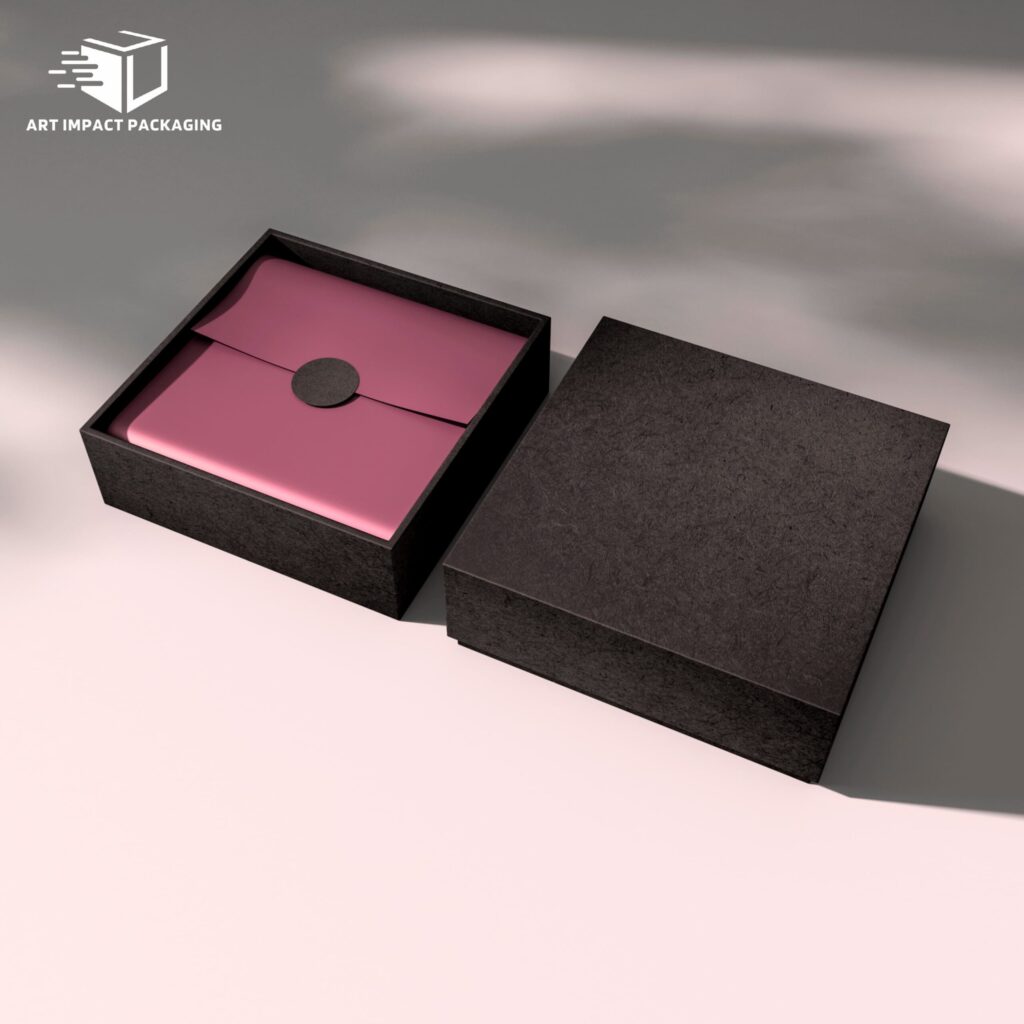

Sturdy and elegant, these are the go-to for high-end products. Think perfumes, electronics, or jewellery. They’re made to impress and feel substantial in hand. Rigid boxes for luxury products are ideal when unboxing is part of the brand experience. Their strength protects delicate products, while their weight and structure convey premium quality. They often come with magnetic closures, ribbon pull tabs, or lift-off lids.
Mailer Boxes:

Ideal for e-commerce packaging boxes, these are strong, self-closing, and attractive enough to skip additional wrapping. They ship well and look great opened. Their easy-to-assemble structure and printable surface make them a favorite for online brands. Mailer boxes can also be lined with tissue, stickers, or notes to enhance the experience.
Kraft Boxes:


Eco-smart, simple, and clean. Great for businesses wanting to convey natural or sustainable branding. Perfect for small business packaging ideas. Made from recycled paper and recyclable themselves, kraft boxes have a raw, honest feel. They can be printed in single or full color and look especially stylish with minimal branding.
Pillow Boxes:

Lightweight, curved, and stylish. Pillow boxes are best for small accessories, like soaps, jewelry, or promotional items. Their sleek look makes them ideal for events, giveaways, or retail environments where the box is part of the visual appeal. Easy to store flat and assemble quickly.
Display Boxes:
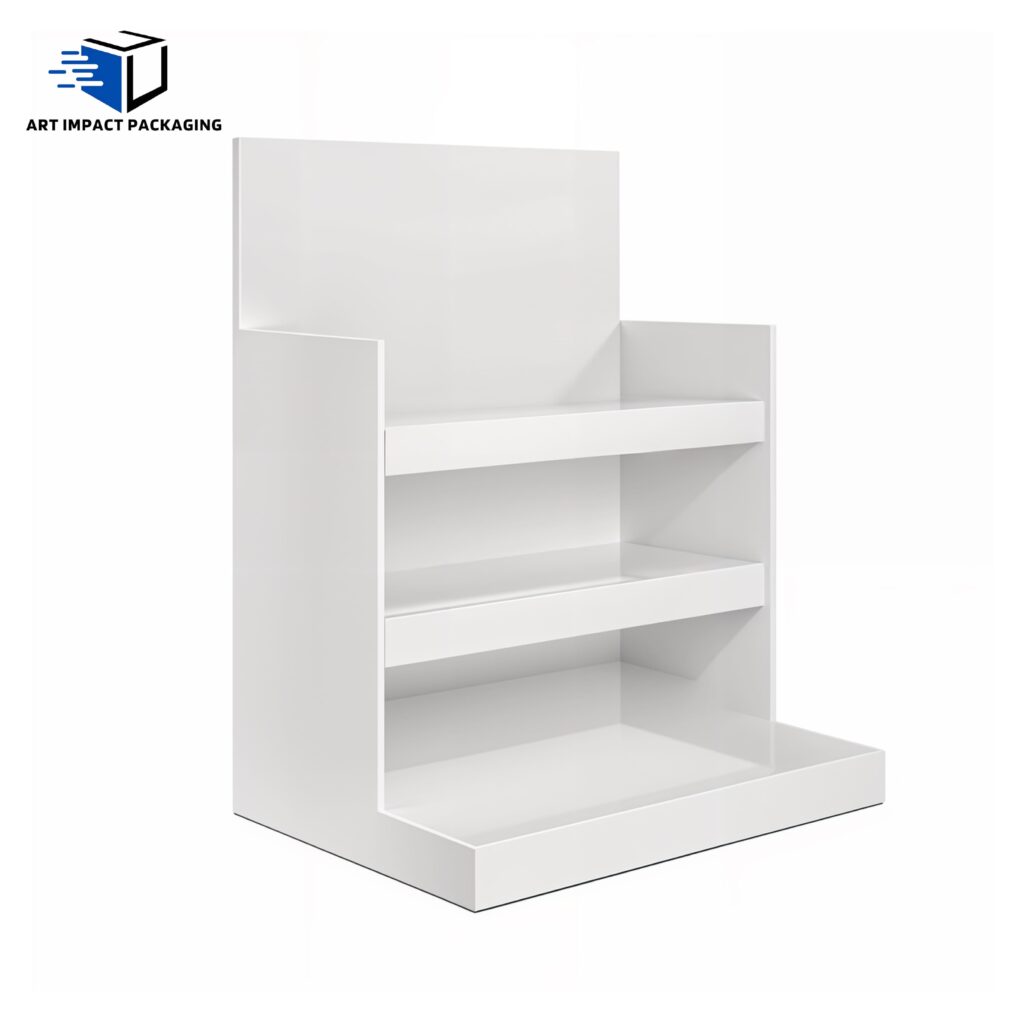
Used in stores to present items like cosmetics, snacks, or tech accessories. These help increase visibility and impulse purchases. Display boxes often have open fronts or die-cut windows to allow customers to interact with the product while reinforcing brand identity.
Food Packaging Boxes:
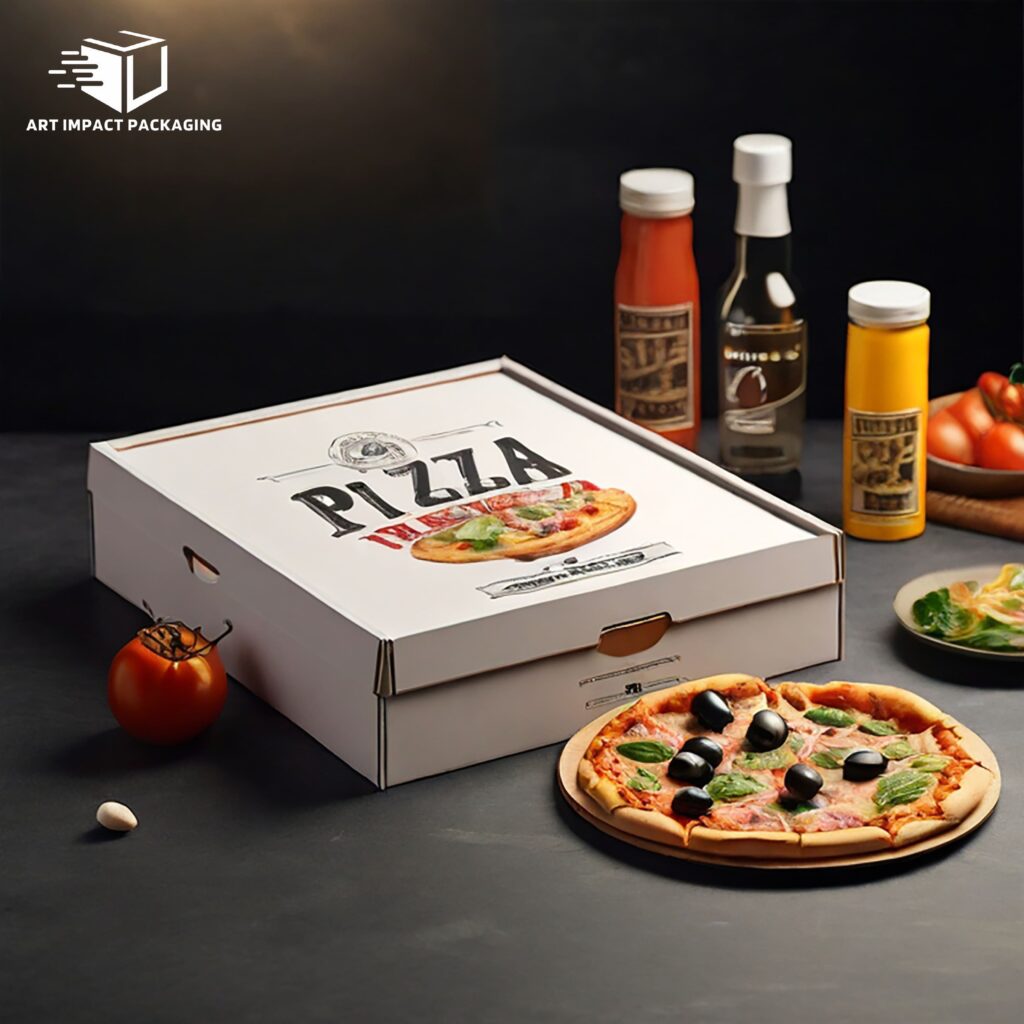
Burgers? Pizza? These cardboard boxes for products are designed with grease resistance and structural support for food in mind.
Often made with food-safe inks and coatings, these boxes also need ventilation holes or moisture barriers to ensure freshness during delivery.
Art Impact Packaging offers all these types with flexible customization options, so brands across industries can choose function and style without compromise.
Measure Boxes for Product Packaging!
The box should fit like a glove, not a suitcase.
Here’s how to do it right:
- Length (front to back).
- Width (side to side).
- Height (bottom to top).
Always measure your product first, then add 0.25 to 0.5 inches for padding or inserts. And remember:
“Box suppliers work with inside dimensions, not outer.”
Undershooting dimensions risks damage. Overshooting increases shipping costs and reduces the impression of a “tailored” experience. If you’re adding cushioning, factor in how much space bubble wrap, crinkle paper, or foam inserts will occupy.
Once you’ve calculated the size, order a sample run and ship it to yourself. It’s the easiest way to stress test your custom packaging solutions. If you hear rattling? Redesign.
Choosing the Right Material
When it comes to materials, cost, function, and presentation must all align.
The basics:
- Cardstock: Smooth and printable, best for folding cartons and display packaging.
- Corrugated Board: Strong, durable, and used in corrugated packaging boxes for shipping or heavy products.
Layers:
- Single-wall: One fluted layer, great for general use.
- Double-wall: Two fluted layers, ideal for fragile or heavy products.
Sustainability matters too. Modern businesses are shifting toward:
- Recycled content.
- Compostable board.
- FSC-certified stock.
The material can also affect tactile perception. A textured kraft board feels artisanal. A smooth gloss laminate feels modern. Every layer contributes to how your customer judges your product.
Choosing box packaging materials wisely supports brand values and customer expectations.
Design & Branding Features!
Your product isn’t generic. Your packaging shouldn’t be either.
Here’s what you can customize:
- Print Finish: Matte, gloss, or soft-touch.
- Textures: Embossed, debossed, or foil-stamped.
- Structure: Sleeves, magnetic closures, tuck flaps.
- Visuals: Spot UV, minimal black ink, or full CMYK.
Even something as small as a logo placement or thank-you note inside your packaging box design builds a connection.
Additional enhancements include:
- Cardstock inserts: Custom-cut inserts that hold products snugly, add protection, and create a layered unboxing experience.
- Window cut-outs: Die-cut shapes that offer a peek at the product, great for scent, color, or material previews.
- Window patches: Same as above, but covered with a clear plastic film to maintain product safety while still offering visibility.
- Perforations: Pre-cut tear lines for easy opening or dispenser-style use, especially useful in retail and food service packaging.
Your packaging design should also reflect your sustainability goals. For instance:
- Eco Mailer Boxes: Natural and raw; ideal for minimalist, earthy branding.
- Eco White Mailers: Whitened kraft surface allows for more intricate design work in black.
- Eco Colour Mailers: Whitened for full CMYK prints, but with muted tones for a soft finish.
- Full-Colour Mailers: Bright, saturated visuals and glossy or matte finishes; great for bold, playful brands.
If you’re aiming for shelf presence, Product Boxes (like Classic or Two-Piece) are ideal. The use of Arktika or Chromocard stocks ensures high-definition prints and vibrant colors.
For weatherproofing, consider adding poly mailers or pairing your custom box with a protective outer layer.
Cost, Scalability & Small Business Tips!
If you’re just getting started, here’s what to keep in mind:
- Start small. Order short runs to test quality and fit.
- Standardize sizes. Use one box type for multiple SKUs.
- Pick neutral colours. Kraft or white boxes can adapt across campaigns.
Packaging costs don’t get out of hand overnight. They creep up when there’s no plan. Build a flexible system from day one. One solid box. A few smart extras, maybe a sleeve, maybe a sticker. Keep it simple, keep it sharp, and most importantly, keep it scalable.
Investing in custom packaging solutions doesn’t mean spending big. It means thinking smart. Many small business packaging ideas are about making boxes that work hard without looking cheap. If you need to cut costs, Eco or Eco White Mailer Boxes are an ideal entry point. When you’re ready to elevate, consider investing in full-color or rigid box styles for a premium look. Start with 30 to 50 units of your chosen packaging to test performance and customer response.
As your business grows, your packaging should grow with it. What works for ten orders a week won’t cut it at a hundred. That’s where Art Impact Packaging comes in, helping you move from short test runs to full-scale production without missing a beat.
Tips for Choosing the Right Box!
A quick checklist when narrowing down your options:
- Does it match the product’s weight and dimensions?
- Will it hold up to shipping?
- Does it reflect your brand visually?
- Is it eco-conscious?
- Does it make the unboxing feel special?
Choosing the right packaging boxes for products isn’t just logistics; it’s your brand’s first impression. It has to work, fit the budget, and still look like you meant every inch of it. Because the moment a customer touches that box? That’s when the real story begins. Make it worth remembering.
Test, tweak, and evolve. What works for your launch product might need to change as your brand expands. And that’s okay. The best brands grow into better boxes.
Wrapping Up!
Packaging isn’t just what gets your product from A to B. It’s your handshake, your storefront, your story, delivered in a box.
Whether it’s rigid boxes for high-end goods, pillow boxes with personality, or corrugated packaging built for the long haul, Art Impact Packaging gives you more than a container. They give you presence.
From materials to finish, from concept to scale, they help businesses build packaging that protects what matters and speaks without saying a word.
Fast turnarounds. Smart design support. Sustainable choices. Fair pricing when you’re ready to grow.
Because if your product deserves attention, your packaging should demand it.
Explore custom packaging solutions from Art Impact Packaging, made to fit your product, your brand, and where you’re going next.