What Makes Food Packaging Boxes Stand Out Today?
It usually starts with the hands. A customer takes a delivery bag or a tray at a food truck, and their first impression isn’t of the food, it’s of the box and how it feels. Whether the lid fits well, if it holds its shape, before a bite is taken, the food packaging box has already spoken on your behalf. At Art Impact Packaging, we’ve seen how a well-chosen box can quietly improve customer confidence, and even encourage repeat orders. Reach Out to us to create your food package boxes and make your brand stand out.
More Than Just a Box
The role of food packaging goes beyond carrying a meal. It frames how the food is seen, held, and consumed. When done right, packaging becomes part of the eating experience.
Why Design Doesn’t Need To Shout
Printed logos and bold colours have their place. But many businesses now lean toward understated food box packaging, solid colours, clean folds, and subtle finishes that let the meal do the talking.
Luxury food packaging boxes often leave space, not just in their design, but in how they let the food speak. Whether it’s a matte black finish or a window showing off a fresh salad, less can be more.
Size And Shape Influence Perception
Serving the right portion in the wrong box can make it feel less. Boxes that are too large can dwarf the contents, while cramped ones distort presentation. Balanced sizes create trust.
- Tuck boxes are ideal for burgers, wraps and chips.
- Pillow boxes suit snack portions or giftable bakery items.
- Cardboard boxes are a reliable option for sides and small mains.
These small choices influence how generous a portion feels, and how memorable a meal becomes.
Matching the Box to the Food
Different foods need different packaging solutions. It’s not only about appearance, it’s about function. A meal that arrives looking tired or crushed is unlikely to earn repeat business.
Hot Food Needs Thermal Support
Meals served warm demand boxes that retain heat without causing sogginess. Ventilation, thickness, and material choice all play a role.
Food Type | Packaging Tip | Suggested Product |
Pizza | Needs a vented box to avoid steam build-up | |
Fried food | A grease-resistant inner lining is essential | |
Pasta & curry | Deep, secure, often foil-lined or corrugated | |
Burgers | Quick closure, easy stacking, lid lock |
Cold Food Benefits From Visibility
For salads, sandwiches and desserts, visibility adds perceived freshness. Windowed packaging allows the customer to see what they’re getting before the first bite.
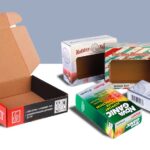
- Sleeve boxes with die-cut windows offer structure with a view.
- Display boxes highlight colour and layering in cakes or cold dishes.
- Black food packaging boxes create contrast, especially when paired with fresh greens, reds and golds.
Snacks Deserve Better Than Plain Wrappers
Smaller items are often overlooked, but they travel the furthest, to desks, parks, and events. These moments are marketing opportunities.
- Gable boxes are portable and visually distinct.
- Dispenser boxes help manage grab-and-go items like napkins or nuts.
- Soap-style packaging for brownies, bars and squares gives shape to softer products.
Material Matters
Beyond looks, the material of your food boxes’ packaging determines how the food arrives, how it’s held, and how it’s remembered.
Choosing Your Core Material
- Kraft board is widely loved for its natural texture and environmentally friendly image.
- Corrugated board adds strength and rigidity for longer delivery routes.
- Cardboard offers the most flexibility for shaping and printing.
- Luxury finishes like spot UV or foil embossing are best reserved for premium sets or giftable items.
When food packaging boxes wholesale orders are placed, buyers often overlook how material choice affects everything from printing to stacking. A rigid box may hold better, but take up more room in storage.
When Sustainability Is Expected
Eco-conscious customers aren’t just a niche anymore. For many brands, using recyclable or compostable packaging is part of the brand promise.
This doesn’t mean sacrificing appeal. In fact, unique food packaging boxes made from sugarcane pulp, bamboo, or kraft often look more bespoke than plastic-laminated alternatives.
Sustainability wins trust when:
- Materials are clearly marked (recyclable or compostable).
- Packaging isn’t over-engineered.
- Finishes don’t interfere with recyclability.
Branding That Supports the Food
You don’t need loud branding to make a box yours. The goal is recognition, not distraction.
Custom Food Packaging Boxes With Logo Placement
A clean logo in the corner. A printed insert inside the lid. A QR code leading to an online menu. These are quiet ways to reinforce identity.
Too much branding can sometimes create distrust, especially if the product feels lower quality than the packaging. Balance is key.
- Embossing or foil-stamping works well on rigid boxes for upscale packaging.
- Print-on-kraft adds a handcrafted feel.
- Magnetic closures, such as those on magnetic closure boxes, work well for gifting or premium launches.
Consistency matters more than novelty. A customer should recognise your packaging at a glance, from the shape, feel, and detail, even without reading a word.
Serving Food Trucks and Fast Environments
Fast-moving stalls, trucks and festivals require packaging that stacks well, seals securely, and moves fast.
What Works For Mobile Kitchens
- Burger boxes with no-fuss lids speed up service.
- Soap boxes hold dense baked goods and desserts.
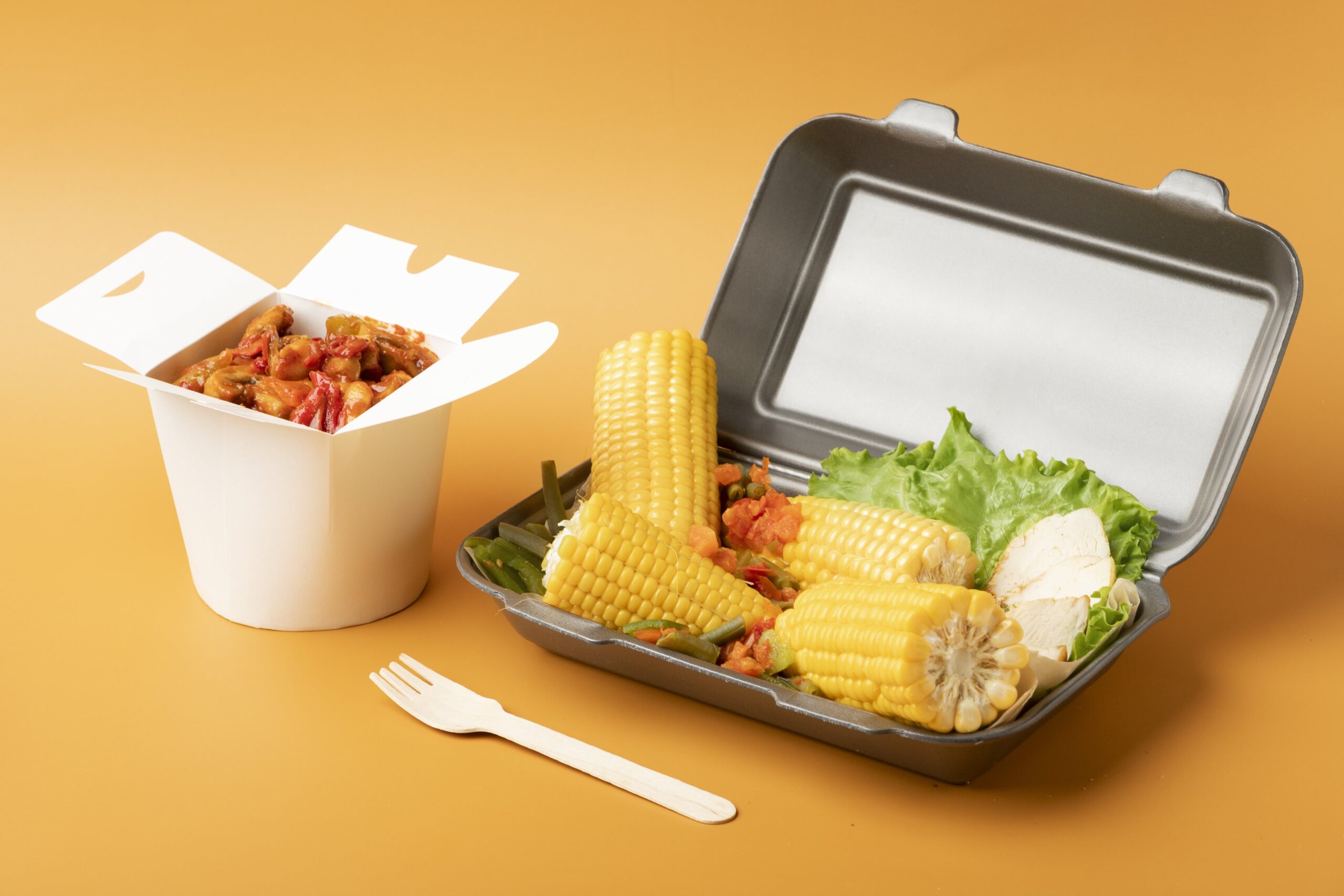
- Clamshells and trays are ideal for chips and loaded fries.
- Hot bowls and tubs keep noodles and curries in place on the go.
Even the packaging of drinks matters. Secure cup lids, sleeve holders and flat trays help keep orders together when people are walking through crowds.
The packaging isn’t just practical; it also becomes a signal to others in line that the food is worth waiting for.
What Makes a Box Unique?
Many assume “unique” means reinvented. But it can simply mean fitting, perfectly suited to your food, your customer, and your context.
Quiet Details That Stand Out
- A slight colour shift to match your brand palette.
- A window that catches the eye but doesn’t reveal too much.
- Textured kraft that feels different in the hand.
- Edges that fold neatly and close with a satisfying click.
Black food packaging boxes, once used mainly in high-end restaurants, are now making their way into casual cafes and food trucks, especially when paired with bright logos or fresh ingredients that pop.
Sometimes, the box is the marketing. So it’s worth getting right.
Final Thoughts
The box your customer touches first becomes part of how they taste the food. That’s why food packaging boxes aren’t just practical, they’re powerful.
From portion control to temperature retention, branding to material feel, every detail shapes perception. Whether you’re serving in a quiet café or a packed festival field, the right box helps your food travel better, look better, and be remembered longer.