Art Impact Packaging

Custom Packaging Design Trends for 2026

Custom packaging design trends for 2026 include a blend of sustainability (refillable and compostable materials), technology (AR, smart codes, and AI integration), and enhanced user experience through personalization, interactive elements, and multisensory designs. Brands are also embracing minimalist aesthetics, bold typography, innovative shapes, and nostalgic elements to stand out. Packaging used to be simple, just something to hold a product. Not anymore. These days, it’s where your branding, your values, and your customer experience all come together. By 2026, custom packaging isn’t just helpful, it’s strategic. At Art Impact Packaging, we’ve seen this shift firsthand. Packaging has become part of how a business speaks, whether you’re selling skincare in Bristol or coffee beans in Glasgow. This guide explores the latest custom packaging design trends, with a clear eye on what actually works. And if you’re thinking about how to apply them to your own brand, feel free to get in touch or call +44 7435 789442. Custom Packaging Design earns its place with a seasonal sleeve For most brands, packaging is the first thing a customer touches. And in a market that’s only getting more crowded, first impressions really do count. In 2026, good packaging doesn’t just protect a product, it helps sell it. That could mean a short-run seasonal sleeve for your latest promo or a custom design that reflects your values right down to the paper stock. This shift is highly visible in industries like food and beauty. For such products, custom box packaging design plays a big role in shelf appeal. When done right, it’s functional and emotional; it connects. Sustainability is the new baseline for custom box packaging design This isn’t about trends, it’s about expectations. Most customers now assume your packaging will have at least some recycled content, and that it won’t be harder than it needs to be to dispose of. We’ve noticed a sharp rise in requests for biodegradable and FSC-certified materials, especially in custom design packaging UK for cosmetics and food. People want boxes that look good, work well, and don’t leave a mess behind. That’s pushing more brands to choose custom food packaging design and custom design cosmetic packaging that uses mono-materials, compostable inks, or lighter-weight stock. Digital packaging that actually helps with custom food packaging design QR codes aren’t new, but how they’re being used is. In 2026, they’re part of a wider shift towards packaging that does more than sit on a shelf. With custom packaging box design, brands are linking customers to tutorials, loyalty schemes, traceability info, and even seasonal offers. It’s especially useful for food and skincare, where people want to know exactly what they’re buying and why it matters. And this isn’t just for global giants, UK makers and indie brands are adopting smart labelling too, often in simple, low-cost ways that add real value. The less-is-more effect There’s a reason minimalist packaging keeps showing up. It doesn’t date quickly. It’s easier to print and recycle. And it gives products a calm kind of confidence. For custom design packaging for retail, clean layouts and a muted palette can make just as much impact as something bold. Especially when paired with subtle touches, like a soft matte finish or blind embossing. It’s a style that works across categories, from artisan food to wellness kits. And in a crowded market, it helps the right things stand out. AI is helping behind the scenes of Custom Packaging Design AI’s role in packaging isn’t always visible, but it’s growing. In 2026, many brands will be using AI tools to test colour choices, generate prototypes, and shape layout decisions faster. If you’re working with multiple SKUs or running seasonal lines, tools that streamline custom design cosmetic packaging or food box production are a practical win. AI also helps reduce waste by right-sizing packaging and predicting demand. It’s not replacing designers, but it is giving them better data. And that makes for sharper, more informed choices. Rethinking reusability More brands are designing boxes that aren’t just used once. Tearaway compartments, refillable inserts, fold-out trays, it’s all becoming more common, especially in categories that rely on presentation. This applies not only to premium beauty, but to custom design food packaging too. Packaging that stores leftovers or doubles as a serving tray can leave a stronger impression than a clever slogan ever could. If you’re a custom design cosmetic packaging supplier, reusability is now a mark of good design, not just good ethics. Formats that save time (and stress) In 2026, packaging needs to be fast to assemble, easy to scale, and cost-effective in short runs. That’s driving more brands to choose formats that support automation. Die-cut boxes, crash-lock bases, and straight-line gluing are becoming more common in custom design packaging UK. These features might seem small, but they make life easier during fulfillment, especially for businesses managing growth. Digital printing also plays a big role. It lets you test ideas quickly, personalise packaging, or run event-specific editions without major costs. Texture still wins on the shelf It’s easy to think packaging is all about visuals. But when people touch a box, they remember it differently. That’s why tactile finishes, like foil stamping, embossing, or soft-touch coatings, are still widely used in custom box packaging design. For brands in beauty, gifting, or fashion, texture becomes part of the experience. It’s not about being flashy, it’s about being memorable. And when done right, it quietly signals care and quality. Choosing the right format Here’s how different packaging types align with 2026’s design priorities: Format Use Case Why It Works Folding Cartons Everyday retail, food, supplements Light, compact, easy to brand and recycle Rigid Boxes Gifts, beauty, electronics Premium feel, durable, high-end finishes Mailer Boxes E-commerce and subscriptions Strong, secure, easy to customise Kraft Boxes Eco brands and artisan products Recycled stock, simple printing Pillow Boxes Accessories, samples, jewellery Soft, compact, often recyclable Display Boxes POS and in-store setups Eye-catching, quick to assemble Magnetic Closure Boxes Luxury or limited-edition items Elegant, tactile, reusable Sleeve Boxes

Folding Cartons vs Rigid Boxes and When to Use Each

Folding cartons are best for lightweight, high-volume retail products and cost-effective branding, while rigid boxes are for premium, high-value products that require a luxury feel and structural protection. The choice depends on the product’s fragility, value, and budget, with rigid boxes providing durability and a high perceived value for things like electronics or luxury goods, and folding cartons offering affordability and excellent printability for everyday items like cereal or cosmetics. Not all of the boxes are built the same. Some fold flat and save space, while the others are built to impress the audience from the moment they’re opened. Choosing between Folding Cartons vs Rigid Boxes isn’t just about cost or looks; there are a number of reasons you need to consider when you select one. It’s all about what your product needs. At Art Impact Packaging, we’ve seen how the right choice can shape both the unboxing experience and your logistics supply chain. Whether you produce high volumes or are just testing start-up packaging ideas for 2026, the differences matter a lot. For tailored advice or samples, contact us at +44 7435 789442 or reach out via our contact us page. Folding cartons: flexible, flat-packed, and efficient Folding cartons are the go-to for many retail products. They’re lighter, cheaper to produce, and easier to store. Because they collapse flat, they save you money on delivery and warehousing. They also work well if you’re exploring low MOQ carton boxes in the UK. The ability to run small batches makes them popular with artisan and seasonal brands. On top of that, folding carton packaging UK supplies are easy to print, which keeps branding costs low. Useful for: Tuck Boxes Straight and Tuck End Boxes Soap Boxes Rigid boxes: durable, refined, and ready to display Rigid boxes don’t fold, and that’s part of the appeal. They’re already shaped, so they skip the assembly stage and feel substantial in the hand. If you’re selling a premium product, appearance matters, and these boxes deliver. Commonly used for high-end skincare, electronics, or luxury retail, they also support a wide range of finishes, magnetic closures, textured wraps, and even velvet linings. Rigid gift boxes UK have become standard for anything positioned as ‘special’. Useful for: Rigid Boxes Magnetic Closure Boxes Jewellery Boxes Folding cartons vs rigid boxes: a quick comparison Feature Folding Cartons Rigid Boxes Structure Collapsible, shipped flat Pre-assembled, keeps its shape Material Light paperboard Thick chipboard Printing Printed directly on the surface Wrapped with a printed or textured cover Cost Lower Higher Storage Efficient Takes more space Branding Flexible and affordable Premium look and feel Best For Retail, food, seasonal products Luxury items, gifts, high-value goods MOQ Suitability Great for low MOQs More suited to larger production runs How they’re made, and what that means Folding cartons are made from a single piece of thin paperboard. They’re cut, printed, folded, and glued into shape, then shipped flat until you’re ready to use them. Rigid boxes, on the other hand, are made with much thicker chipboard. They’re assembled during manufacturing and hold their shape. Instead of printing directly on the board, a printed or textured wrap is usually glued over the top. That’s what gives them a more tactile, premium finish. Practical strengths of each option Your choice affects everything from shipping costs to how the customer feels holding the box. Here’s how each style works in practice. Corrugated boxes: made for movement Corrugated boxes are all about protection. Made from three layers of board, including a fluted centre, they’re strong and shock-resistant. That makes them ideal for e-commerce brands or anything that needs to survive shipping. They don’t feel as refined as folding or rigid boxes, but they offer unmatched strength. Some businesses use them purely for delivery, while others customise them for branding. Useful for: Mailer Boxes Corrugated Boxes Dispenser Boxes Folding Cartons vs Rigid Boxes: How to choose the right box? Before choosing the right box, read these important aspects: Start with the product Weight and fragility come first. Lighter items like chocolate bars, soap, or cosmetics are fine in folding cartons. Heavier or more valuable items benefit from the structure of a rigid box. If something’s fragile or going in the post, consider corrugated. Match your brand experience If the box is part of the product, like a jewellery box or candle set, rigid makes sense. But affordable custom packaging UK doesn’t always mean going premium. Many brands achieve impact with clever folding carton designs, textured boards, or custom cut-outs. Explore both if you’re packaging gifts, samples, or brand kits: Gift Boxes Sleeve Boxes Storage and speed matter too If you’re short on space or shipping large quantities, flat-packed folding cartons are far easier to manage. Rigid boxes take up more room but arrive ready to use, no assembly needed. For start-ups, this can be a trade-off. Folding cartons suit affordable, low MOQ packaging in the UK with less risk. What to ask your supplier before choosing affordable custom packaging UK? Before placing an order, it helps to clarify the basics.   Will this support the weight of my product? Don’t assume, ask for samples or guidance. Some folding cartons are stronger than they look, and rigid isn’t always necessary. Are there eco options? All three types can use recycled or FSC-certified board. If sustainability matters to your audience, ask what materials are available. What’s the MOQ for custom designs? Most UK suppliers offer low MOQs, especially for folding cartons. Rigid boxes can sometimes be more restrictive due to assembly costs. Will it ship well? If you’re sending directly to the customer, it is highly essential for you to consider how the box performs in transit. You must need a protective mailer or outer layer. To close the loop There is nothing like one-size-fits-all when it comes to packaging. Folding cartons, rigid boxes, and corrugated boxes each have their own perks and serve a different purpose. The best one is the one that fits your product, your budget, and most

Rigid Boxes vs Corrugated Boxes for UK Packaging

For UK packaging, rigid boxes are ideal for luxury brands needing a premium feel, while corrugated boxes are better for shipping and practicality due to their shock absorption, stackability, and lower cost. Rigid boxes offer superior branding with high-end finishes and protection for delicate items, whereas corrugated boxes are more economical and eco-friendly for long-haul shipping of heavier or bulkier goods. Packaging has to do more than cover a product. It needs to protect it in transit, look right when the customer opens it, and stay within the cost you set for that item. That is why so many UK makers and retailers compare rigid boxes vs corrugated boxes before placing an order. At Art Impact Packaging, we help UK brands choose the right style for their product and route to the customer. You can call +44 7435 789442 if you need to talk through a specific job or contact us to get a free quote now. Choosing Between Two Box Types Every pack choice starts with the journey. If the box is going straight into a customer’s hands, the finish, squareness, and feel matter most. If the box is travelling across the UK through hubs and vans, the ability to absorb movement matters more. Rigid packaging is built to look good and stay tidy. Corrugated packaging is built to cope with movement and stacking. Thinking this way makes Rigid Boxes vs Corrugated Boxes a practical comparison, not an abstract one. What rigid boxes do best? Rigid boxes are made from thick paperboard that does not fold easily. The walls stay firm, the lid sits neatly, and the box presents the product before the customer even reaches it. This style suits keepsake items, giftable products, and limited runs where the packaging is part of the perceived value. When you want the box to feel part of the item, a rigid format such as the Rigid Boxes page is a sensible starting point. For an even neater close that does not need tape, you can look at Magnetic Closure Boxes. Smaller luxury products sit well in Jewellery Boxes, because they give a snug, ready-to-present shape. What are corrugated packaging boxes best for? Corrugated packaging boxes UK sellers rely on are designed to move. The fluted centre sits between two liners, so knocks are spread out instead of being passed straight to the product. These boxes are supplied flat, which helps smaller stockrooms and workshops. For online orders that need a tidy opening but must stay within courier limits, the Mailer Boxes range is a good fit. For larger or plainer shipments, the Corrugated Boxes range gives that familiar transit look that customers recognise and recycle. Rigid vs corrugated strength comparison A rigid vs corrugated strength comparison is really a question of what kind of strength you need. Rigid gives surface strength, it resists dents in short, controlled journeys, and it keeps its shape in retail or gifting situations. Corrugated gives journey strength, it flexes without failing, it stacks better, and it protects for longer routes. This is why many UK brands place a rigid inner pack inside a corrugated shipper; the customer sees the tidy box, and the delivery team gets a box that travels better. Side-by-side comparison of Rigid vs corrugated Boxes Factor Rigid boxes Corrugated boxes Main job Presentation and gifting Shipping and storage Supplied Ready-made, needs more space Flat packed, easy to store Cost per unit Higher, material-heavy Lower, suited to volume Best matches Gift Boxes, Rigid Boxes, Magnetic Closure Boxes, Jewellery Boxes Mailer Boxes, Corrugated Boxes, Display Boxes, Kraft Boxes Strong packaging materials Some products need extra reassurance. Strong packaging materials UK customers often expect means thicker board, good closure, and a surface that stays smooth. If the item is being bought as a gift, the Gift Boxes range is a straightforward choice because it arrives ready to hand over and does not need extra wrapping. Where the product is delicate or of higher value, choosing a rigid style with an insert keeps everything aligned and stops corners from scuffing. Selecting the Right Box Once the journey is clear, the choice becomes easier. Items sent through courier networks need packaging that is light, strong, and simple to assemble. Items sold in person or used as gifts need packaging that looks finished the moment it is opened. Many UK businesses do not pick only one side of Rigid Boxes vs Corrugated Boxes, they build a small packaging system that uses both. A rigid inner with printing, then a plain corrugated outer, is often the neatest balance of cost, protection, and presentation. Which style is best for shipping? Shipping-safe boxes UK operations depend on are usually corrugated because they cope better with sorting, stacking, and repeated handling. For point of sale or for stock that will be opened on arrival, the Display Boxes range keeps a practical structure while still letting the product be seen. If you prefer a natural, recyclable appearance that still protects, the Kraft Boxes range uses a simple board finish that many UK customers now associate with responsible packaging. Choosing corrugated in these cases also helps control delivery costs because the pack weight stays low. Which one is more durable? Durable product boxes UK customers trust are the ones that match the value and journey of the item. A designer candle, a skincare set, or a piece of jewellery feels more complete in a rigid style because the box is meant to be kept. A bulk order of pantry goods or printed materials is more sensible in corrugated because the box will be moved around, then recycled. The important point is to use rigid material where the box will be seen and kept, and to use corrugated material where the box will move and be used only once. Storage space is another practical point for UK businesses. Rigid packs arrive made up, so they look good straight away, but they do take up more room in the stock area. That works well for brands

Gloss vs Matte Lamination: What Really Works?

Gloss lamination is shiny and vibrant, ideal for eye-catching promotional materials, while matte lamination has a sophisticated, soft, and non-reflective finish for elegant products and a low-glare appearance. The best choice depends on your goal: use gloss for high-impact visuals that pop, and matte for a premium, understated, and scratch-hiding look that is also more writable. It’s easy to overlook, but lamination might be the most influential part of your packaging design. The finish a customer touches, the way light hits the box, even how it photographs under shop lighting, it all comes down to this one choice. We’ve seen it firsthand at Art Impact Packaging. Some brands want the understated look of matte laminated boxes UK, while others want the punch and polish of gloss coating packaging UK. Neither is better in every situation, but one will usually suit your brand, product, and customer better. If you’re weighing up gloss vs matte lamination, this guide will walk you through the pros, the trade-offs, and the kinds of products each finish suits best. You’ll also find real packaging examples, practical comparisons, and clear advice. You can also call us on +44 7435 789442 to talk through or contact us directly. What lamination actually does Lamination isn’t decoration. It’s a clear film applied over your printed surface to protect the material and change its feel. For some brands, lamination is about durability, protecting logos from scuffs or ink from rubbing off. For others, it’s about the sensory feel of the packaging. Gloss feels slick and clean. Matte feels soft and deliberate. Both finishes are used across luxury finish packaging UK supplies, from gift boxes to cosmetics, electronics to stationery. When matte lamination makes sense Matte lamination gives your packaging a smooth, non-reflective box finishing option UK. It feels soft to the touch and tends to mute bright colours. It’s often described as clean, modern, and quietly premium. More thoughtful than flashy If your brand is about subtlety, matte works in your favour. It doesn’t compete with bold logos or loud designs. Instead, it lets details sit quietly in the background, something we’ve seen work well with Jewellery Boxes or Kraft Boxes. It hides small imperfections Unlike gloss, matte is less likely to highlight creases, fingerprints, or tiny production flaws. This makes it ideal for minimalist or solid-colour designs. But it’s not that durable Matte can be slightly more prone to surface marks or rubbing over time especially if you are going for darker colours. That said, many clients still prefer it for Tuck Boxes and Sleeve Boxes because of the elegant and luxurious feel it offers. When gloss lamination works better Gloss lamination gives a smooth, reflective finish that is best suited to enhance colour contrast and brightness of the packaging. It is also often chosen for packaging that needs to stand out at a glance on the market shelves. Best for bold branding If your packaging includes strong colours or photography, gloss is perfect to make it more vibrant. We often recommend it for Display Boxes and Cosmetic Boxes as the shelf appeal for these packaging designs always matters a lot. Easier to wipe down Gloss has a slick surface, which makes it more resistant to dirt and handling marks. It is also very easy to clean, making it practical for Mailer Boxes or products handled frequently. But it’s not subtle The main drawback is glare. Gloss can reflect shop lighting in a way that distracts from your design. And because it’s shinier, scratches and fingerprints show more easily. Quick comparison: gloss vs matte lamination Feature Matte Lamination Gloss Lamination Finish Soft, smooth, non-reflective Shiny, high-contrast, reflective Colour effect Muted tones Vivid and saturated Durability Hides marks, may show rubs Resists scratches, easy to clean Touch feel Velvety, tactile Slick and polished Glare/reflection Minimal High Works well for Subtle or luxury products Bold, high-contrast designs What to consider before choosing Think about lighting If your product is sold in bright shops or is photographed a lot, gloss might reflect more than you want. Matte is easier to control visually. Think about colour If your artwork relies on vibrant colour contrast, gloss can help it shine. But if it’s soft, tonal, or minimal, matte may suit better. Think about the message Lamination is part of your brand voice. Do you want to come across as confident and bold, or want to look more refined and understated? Where lamination trends are heading Looking ahead to printing effects packaging 2026, we can clearly see more hybrid solutions, like soft-touch matte with spot gloss logos popping in the market. Such finishes create contrast without clutter and give packaging a layered look that is essential for high-end products. It’s also especially popular for Rigid Boxes or Gift Boxes, as customers notice texture, not only the printing. If you’re testing new styles for limited-run or seasonal packaging, lamination is the easiest option to experiment with. To close the loop In our experience, the difference between gloss and matte is not just about how it looks, but much more. It is how it feels, not just in the hand, but in how it reflects your brand’s personality in front of the consumers. And that’s why we treat lamination as part of the creative process, not an afterthought. If you want to see how either finish could work on your Cardboard Boxes or Magnetic Closure Boxes, feel free to get in touch. FAQ’s What is better: gloss or matte lamination?   Neither is better in every case. Gloss is bold, reflective, and sharp. Matte is soft, subtle, and modern. Your choice should suit your product, print design, and brand feel.   Can I write on laminated packaging?   You can write on matte more easily than gloss. Glossy finishes tend to smudge ink or reject permanent markers.   Is matte lamination more eco-friendly than gloss?   It depends on the film material, not just the finish. Both can be produced with recyclable or biodegradable layers, depending on

Kraft Boxes vs White Boxes: What Works Best?

Some packaging decisions are obvious: dimensions, weight, and strength. Others come down to feel. And one of the quietest but most important choices you’ll make is colour. Do you go with the earthy honesty of Kraft, or the clean finish of white? We’ve seen this decision play out countless times at Art Impact Packaging. Sometimes a brand has a clear vision. Other times, they hold two mockups in hand and ask: “Which one feels more us?” If you’re sitting with that same question, Kraft boxes vs white boxes, this guide will help you weigh it up. If you’d prefer to talk it through, we’re always happy to help. Call us on +44 7435 789442 or send a message here. What’s the real difference between Kraft and white boxes? On the surface, it’s just a colour choice. But dig a little deeper, and it’s more than that. Kraft boxes are made using unbleached paperboard, usually from recycled or sustainably sourced fibres. They’ve got a warm, natural tone, the kind of look that signals low waste, low gloss, and low fuss. White boxes, by contrast, are often made from bleached paperboard or white-lined chipboard. They give off a polished, crisp impression, cleaner lines, sharper contrast, and more room for colourful branding. But it’s not a matter of one being better than the other. It depends on what you’re sending, how you want it to feel, and the kind of brand story you’re telling. Why do some brands prefer Kraft? Some brands prefer Kraft for its brand recognition, especially for nostalgic or comfort food products like Macaroni & Cheese. The Kraft Heinz Company also uses its large portfolio of iconic brands to create strong brand loyalty and compete with private-label options, leveraging factors like consumer history, social media trends, and value-based pricing strategies to maintain relevance. In the kraft packaging UK space, we’ve seen everything from artisan soaps to boutique stationery use Kraft Boxes as a way to say, “This is handmade. This is thoughtful.” You can print directly onto them, or keep things unbranded. You can dress them up with twine or leave them plain. Either way, the material holds its own. Kraft also works especially well when sustainability is part of your brand’s identity. Many of our clients request eco-printed kraft boxes, made with water-based inks, no lamination, and simple, biodegradable finishing. The result is packaging that not only looks natural, but actually is. That “natural look packaging UK” aesthetic has quietly become one of the most trusted visual cues for eco-conscious consumers. You don’t have to say you’re sustainable. The box does it for you. Why do others go for white Boxes? People choose white boxes for their clean, professional appearance, which enhances brand visibility and can make products seem more valuable, sanitary, and high-quality. They are also a versatile and often more affordable option that can be easily customized with vibrant printing and branding. If Kraft is calm, white is clean. It’s used when you want a modern, uncluttered feel, especially in beauty, health, or high-end retail. White cardboard boxes UK are often chosen for the flexibility they offer in design. Colours pop. Logos stand out. Foils and textures look sharper against a white background. That’s why many of our Gift Boxes and Jewellery Boxes come in white as standard; it’s a canvas that adapts to the product inside. White boxes also feel premium when handled correctly. A soft-touch lamination, an embossed logo, a magnetic flap, these are the small upgrades that turn a simple white box into something memorable. But white doesn’t always mean gloss. For brands leaning towards minimal packaging design UK, a plain, uncoated white box can be just as elegant. It’s about restraint, giving the product space to speak for itself. Kraft Boxes vs White Boxes: Quick Comparison!! Kraft boxes are a cost-effective, sustainable option with a natural look. White boxes, on the other hand, speak in sharper tones: polished, high-end, and ready for bold colour and clean design. Kraft often wins on eco-credentials, needing less processing and giving off that “made with care” impression. White shows detail beautifully, but also shows the marks of handling. In the end, it’s not just packaging — it’s personality. Choose the one that tells your story best. Feature Kraft Boxes White Boxes Material Made from unbleached, recycled, or sustainably sourced paperboard. Made from bleached paperboard or white-lined chipboard. Appearance Natural brown tone with rustic, earthy feel. Crisp, polished look with a bright white surface. Brand Impression Communicates honesty, sustainability, and handmade quality. Suggests modernity, precision, and premium branding. Printing Quality Colours appear softer and more muted. Colours print vividly with sharper detail and higher contrast. Finish Options Usually uncoated or matte for eco appeal. Offers more finish options, gloss, matte, or soft-touch lamination. Eco-Friendliness Lower processing, biodegradable, and often recycled. It can be eco-friendly if FSC-certified and unlaminated. Common Uses Artisan products, organic goods, eco-brands, stationery. Cosmetics, tech, luxury gifts, health, and beauty packaging. Design Flexibility Best for minimalist or raw aesthetic. Ideal for colourful, detailed, or foil-accented branding. Cost Factor Typically lower cost due to minimal processing. Slightly higher cost for bleaching and finishing steps. Recyclability Fully recyclable if uncoated. Recyclable when free of foil or plastic lamination. Kraft Boxes vs White Boxes: Which is more eco-friendly? This is where things get nuanced. In theory, Kraft boxes tend to have a smaller environmental footprint. They’re often made from recycled board, require less processing, and are easier to break down. For brands that prioritise natural-looking packaging in the UK and low-impact design, kraft is usually the obvious choice. But white boxes aren’t necessarily wasteful. Many of our Cardboard Boxes and Corrugated Boxes in white are fully recyclable, FSC-certified, and printed using eco inks. The real impact comes down to the details, coatings, adhesives, foil blocking, and how the customer disposes of the box. A laminated kraft box is less eco-friendly than an uncoated white one. It’s never just about colour. Both box types are suitable for shipping.

Rigid Boxes vs Magnetic Closure Boxes: Which Fits Your Product Best?

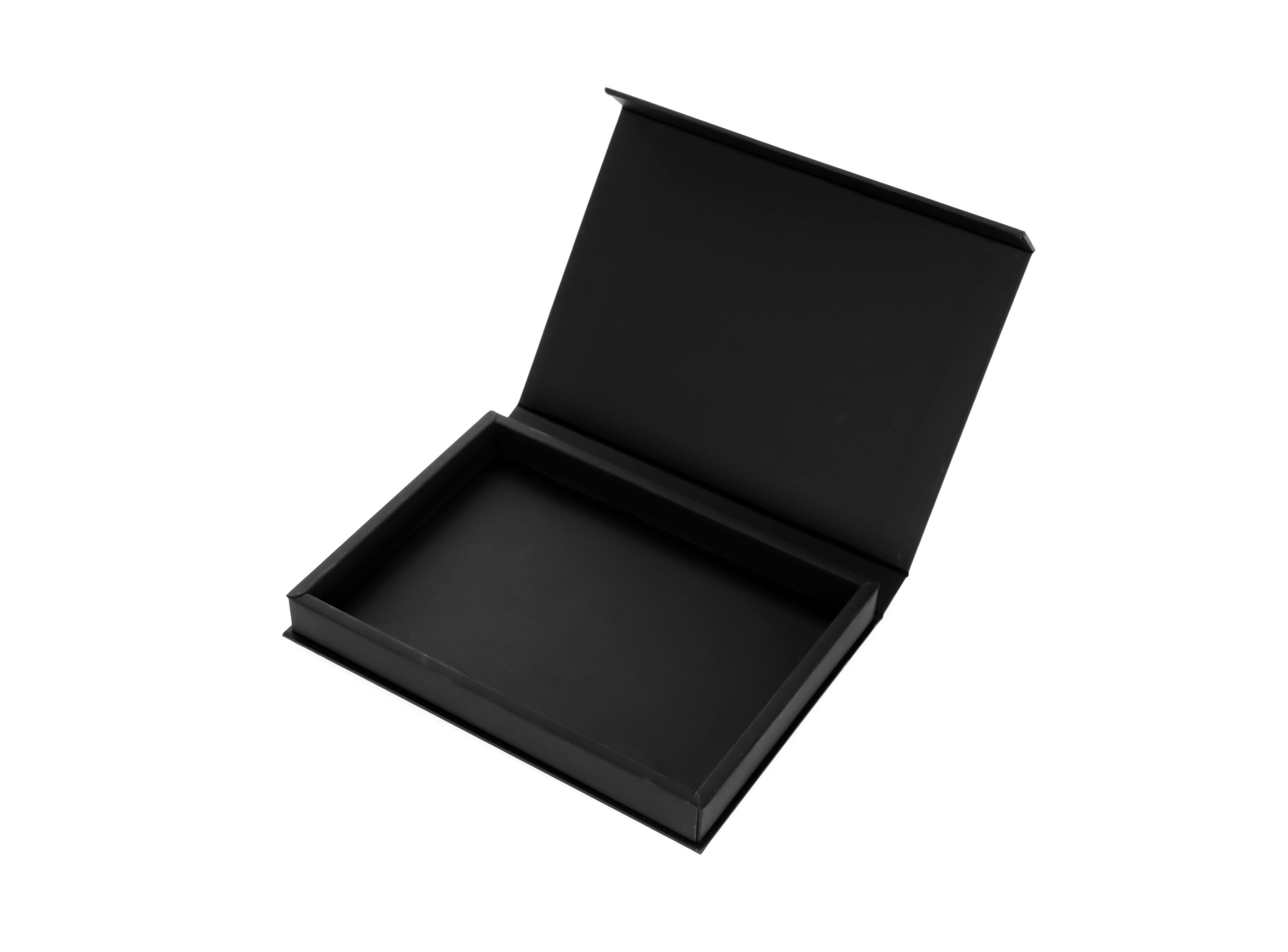
A watch box came across the line the other day, made of rigid board with a deep charcoal finish and a soft-close magnetic flap. The client had spent weeks choosing between that and a lift-off lid style. “It’s just a box,” they’d said at first. But by the end, they saw what we’ve seen time and again: it’s never just a box. At Art Impact Packaging, we’ve worked with countless UK brands to make that decision easier. If you’re deciding between rigid boxes vs magnetic closure boxes, you’re not alone. It comes down to more than looks, function, impression, budget, and even storage can shape your final choice. Want to talk through it? Call us on +44 7435 789442, or fill out a form to get a custom quote. So let’s break it down with practical insights that come from years of handling real packaging dilemmas. What Are Rigid Boxes and Magnetic Closure Boxes? Both rigid boxes and magnetic closure boxes fall into the luxury rigid packaging category. But they’re not interchangeable. Here’s the difference upfront: Rigid boxes are known for their solid build and structure. Think of them as the classic, lift-off lid boxes you’d find in high-end retail, strong, clean-lined, and dependable. Magnetic closure boxes, on the other hand, add a little drama. Their defining feature is the flap with hidden magnets that ‘snap’ shut, often used for unboxing experiences or gifting moments. So, how do you choose between the two? Choosing Packaging Based on Your Product Type Are you aiming for understated or experiential? Rigid boxes are timeless. There’s a reason custom rigid box printing UK is a go-to for watchmakers, chocolatiers, and even tech brands. The simple lid creates a sense of reveal, but without fuss. Magnetic boxes, though, tend to feel more interactive. That satisfying ‘snap’ when they close adds a tactile memory. For gifting, or when visual storytelling matters, that little motion can leave a bigger mark. Does your product sit flat or need framing? The structure of a rigid box suits items that nestle neatly inside: think soaps, glassware, or folded garments. But magnetic boxes can better accommodate taller or shaped items, especially when paired with internal fitments or foam. Space and Shipping: A Practical Comparison How much space do you have? One of the underrated differences between rigid and magnetic closure boxes is how they arrive. Rigid boxes are usually supplied fully assembled, which means they take up more storage space. But they’re ready to go. Magnetic closure boxes, however, often come flat-packed. The sides fold up and attach via adhesive strips or snap-locks, making them far easier to store in bulk. If warehouse space is tight, that might tip the scales. What about assembly time? Rigid boxes require no setup, open, fill, and close. Magnetic boxes might need a moment of folding, especially if you’re assembling a few hundred. For small-batch, high-impact products, that’s often fine. But in fast-paced fulfilment, those extra seconds add up. Which One Is Better for Your Budget? Which costs more? Both are premium options, but magnetic closure boxes often involve more complex construction, magnets, folding flaps, and additional adhesive, which can affect pricing. If you’re working to a tight budget or launching in stages, rigid boxes might offer more control over cost per unit. That said, finish and size play just as big a role. A small magnetic gift boxes UK with minimal printing could still be more economical than a large, multi-layered rigid box. Do you care about eco credentials? More brands now ask about sustainable luxury boxes UK, and rightly so. Both box types can be made using FSC-certified board and recyclable materials. However, magnetic boxes sometimes include non-recyclable elements like magnets or laminated flaps. If full recyclability is critical, a lift-lid rigid box may be easier to design with end-of-life in mind. Customisation options How far can you go with finishes? Rigid boxes are versatile canvases. You can apply textured papers, embossing, foil, or even fabric wraps. Custom rigid box printing UK often involves luxury finishing techniques, especially for cosmetics and jewellery. Magnetic boxes aren’t far behind; they offer the same exterior finishing options. The main limit is internal structure. Because they’re folded into shape, very deep internal trays or sculpted inserts can be trickier to fit. Which packaging types use them most? Here’s a quick overview of how these styles show up in real product packaging: Packaging Type Rigid Box Magnetic Closure Box Gift Boxes ✅ ✅ Jewellery Boxes ✅ ✅ Cosmetic Boxes ✅ ✅ Tuck Boxes ❌ ❌ Pillow Boxes ❌ ❌ Kraft Boxes ✅ ❌ Magnetic Gift Boxes ❌ ✅ Mailer Boxes ❌ ❌ Each style has its place; it’s not about better or worse. It’s about what fits the story you’re trying to tell. Where Luxury Packaging Is Headed in 2026 If you’re planning for the year ahead, it’s worth noting how premium product packaging 2026 is already taking shape. Personalisation, sustainability, and the unboxing moment all continue to matter, but so does practicality. Rigid boxes are evolving with lighter boards and greener inks. Magnetic boxes are becoming easier to recycle, with biodegradable closures replacing traditional magnets. It’s no longer about choosing luxury over eco. You can often have both. And if you’re thinking about a hybrid option, such as a sleeve box that covers a rigid tray, or a magnetic closure wrap on a kraft base, those options are available too. It’s about finding the right feel, not following trends blindly. Final thoughts!! Choosing between rigid boxes vs magnetic closure boxes isn’t about trends; it’s about matching form with function. The best choice depends on your product, your customer, and your logistics. If you’re not sure, that’s what we’re here for. At Art Impact Packaging, we’ve helped UK brands navigate these decisions for over 20 years. If you’d like to speak to someone who actually handles these boxes day in, day out, call us on +44 7435 789442 or get in touch now. FAQ’s What is the

Mailer Boxes vs Shipping Boxes: What’s the Difference?

A surprising number of UK brands use these terms interchangeably: mailer boxes, shipping boxes, and postal boxes, assuming they all do the same thing. But if you’ve ever had a box arrive dented, or paid too much for postage, you’ll know the difference matters. When clients come to Art Impact Packaging looking to improve their delivery experience, one of the first things we talk about is choosing the right box type. And more often than not, it starts with this question: mailer boxes vs shipping boxes, which one’s actually right for your product? If you’re asking the same, let’s walk through it. Or if you’d rather talk it through, call us on +44 7435 789442 or contact us now. Structural and functional differences Understanding the real difference between mailer boxes and shipping boxes is essential when selecting the right packaging for your e-commerce deliveries. While many UK businesses use the terms interchangeably, the packaging choice you make can significantly affect cost, protection, presentation, and even customer satisfaction. What are mailer boxes? Mailer boxes are designed primarily for presentation and branding. Commonly used in direct-to-consumer (DTC) deliveries, they often feature folding flaps, tuck-in lids, and a sleek exterior ideal for custom printing. These boxes typically arrive flat and can be easily assembled into a secure, attractive package. What are shipping boxes? Shipping boxes, also known as regular slotted cartons (RSCs), prioritise durability and protection over design. They come in standard rectangular formats, require tape to seal, and are built to survive rougher handling and longer transit routes, making them ideal for wholesale or fragile shipments. Mailer boxes vs shipping boxes comparison Here’s a side-by-side breakdown to help you understand the key differences: Feature Mailer Boxes Shipping Boxes Primary Use Direct-to-consumer (DTC) deliveries, presentation-focused Bulk shipments, fragile or heavy items Structure Die-cut, self-locking flaps fold into shape A regular slotted carton (RSC) requires tape to seal Material E-flute or B-flute corrugated board Typically, thicker corrugated board Aesthetic Appeal High – ideal for branding, unboxing experience Low – plain appearance, prioritises protection Ease of Assembly Quick and tool-free assembly Requires taping and folding Protection Level Moderate – suitable for lightweight to medium-weight products High – ideal for fragile or multiple items Common Products Shipped Subscription boxes, fashion, beauty items, books, stationery Electronics, kitchenware, books in bulk, warehouse supplies Recyclability High – minimal tape, often uses water-based inks High – though uses more materials like void fill and plastic tape Storage Efficiency (Flat-packed) Excellent – arrives flat, space-saving Good – arrives flat but has a larger footprint when assembled Cost Per Unit Slightly higher – but often saves cost on inner packaging Lower per unit – but may need additional internal packaging When should you choose a mailer box If your product is going directly to a customer’s door, and first impressions matter, a corrugated mailer box UK is usually a smart choice. These boxes offer a clean unboxing experience and are easy to open, without scissors or knives. For smaller, lightweight items that don’t need extra padding, mailers strike a balance between looks and strength. They’re also surprisingly durable. Many are made with E-flute or B-flute corrugated board, which holds up well in the post. Our Mailer Boxes can also be customised with eco inks, tear strips, or reinforced sides, depending on what you’re shipping. They’re ideal for: Subscription boxes Boutique clothing Stationery and print goods Beauty items Welcome kits In short, if your product is light to medium weight, and presentation matters as much as protection, mailers do the job well. When a shipping box makes more sense There are times when appearance comes second. Maybe your product is fragile. Maybe it’s large. Or maybe it’s being shipped in bulk or over a longer distance. That’s where recyclable shipping boxes UK step in. Shipping boxes are made for protection, typically using thicker corrugated board and sealed with tape. They don’t open like a gift box. They open like a package that’s been through something and kept everything inside safe. If you’re sending electronics, books in bulk, kitchenware, or multiple units at once, a plain shipping box is usually your safest bet. They’re also easier to palletise and stack for storage or courier pickup. Our Cardboard Boxes and Corrugated Boxes offer options in various wall strengths and board grades. Some clients use them as outer packaging, pairing them with inner mailer boxes for branded delivery inside and transit protection outside. Which one is more sustainable? More brands are thinking about this now, and rightly so. Eco mailer packaging UK has become more accessible, especially as demand has grown. Most mailer boxes can now be produced with recycled board and printed with water-based inks. They also use less tape and are easier to recycle because of their simple folding design. Shipping boxes are usually recyclable too, but they tend to involve more materials, tape, void fill, and labels, which customers often don’t dispose of properly. That said, a well-sized shipping box with minimal plastic is still far better than a padded envelope with bubble wrap. If you’re trying to reduce your footprint, it’s not about avoiding one type over the other. It’s about choosing the right size, board grade, and material. And communicating that clearly to your customers. Some of our clients even include a line on their boxes that reads: “This box is 100% recyclable, please fold flat and recycle locally.” It costs nothing to print and tells the customer that you’ve thought it through. Comparing postal boxes in the UK: what to look for In a market filled with options, a postal box comparison UK often comes down to four things: strength, appearance, cost, and storage. Strength is obvious; your product has to survive the journey. For that, corrugated board still leads the way. Whether it’s a mailer or shipping box, look for board types like E-flute or B-flute, which offer durability without bulk. Appearance depends on your brand. Gift Boxes and Sleeve Boxes offer more premium unboxing, but aren’t built