Art Impact Packaging

How To Choose A Supplier For Low MOQ Custom Packaging Boxes UK?

Not every brand starts with thousands of units. In fact, most don’t. If you’re just starting out, launching a new product, testing your market, or simply managing costs carefully, low MOQ custom packaging boxes UK are a lifeline. They let you order in small runs, stay agile, and still present your brand professionally. Art Impact Packaging helps UK businesses, from one-person startups to growing retailers, find the right packaging for their stage. If you’d like to talk through your packaging plans, give us a call on +44 7435 789442 Why MOQ matters when you’re just starting out MOQ stands for minimum order quantity. It’s the smallest number of units a supplier is willing to produce in one run. For a large brand, that might not matter. But for small businesses, creatives, or first-time founders, placing an order for 500 or 1,000 custom boxes just isn’t practical or affordable. That’s why finding a supplier who supports custom packaging small orders UK is so important. You want someone who understands that you’re building something, not overcommitting before you’re ready.  If you’re ready to start small and scale smart, reach out to us for a free custom packaging quote. Step 1: Define what you need before you request quotes Before you compare suppliers, it helps to get clear on a few basics. This isn’t about locking yourself in; it’s about being prepared so you can make fair comparisons and avoid costly mistakes. Know your box style and product needs Start by listing the physical requirements. Do you need mailer boxes for posting? Tuck boxes for display? Kraft boxes for that natural feel? Also consider: What size do you need? How heavy is the product? Will it need internal support? Does it require food-safe or cosmetic-grade packaging? Your answers will shape everything from material to price. Set a realistic order volume Even if you only need 50 units now, think about what you might need in six months. Choosing a supplier that handles low-quantity custom boxes UK and can grow with you offers peace of mind later. Some suppliers specialise in short run packaging. Others offer a discount if you reorder in bulk later. A good fit is someone flexible, not just cheap. Build your budget around more than just unit cost It’s easy to focus on per-box pricing. But don’t forget the extras: Set-up fees (especially for offset or screen printing). Shipping and delivery charges. Sampling or prototyping fees. VAT or import duties (if buying from abroad). Always request an itemised quote. It helps avoid surprises and allows you to compare fairly. Step 2: Understand the different printing and material options The right packaging doesn’t just fit your product. It reflects your brand. And that’s especially important when you’re working with limited space to make an impression. Digital printing is ideal for low-volume runs Traditional printing methods often involve setup costs, which don’t make sense for small batches. Digital printing avoids that. It allows full-colour, high-resolution prints with minimal setup. Perfect for start-up packaging on a budget UK. You can even run a few versions at once, say, a seasonal design or language variant, without major cost increases. Material matters, for both brand feel and durability If you’re selling premium products, consider rigid boxes. They look and feel luxurious and provide better protection. Selling smaller items like jewellery or cosmetics? Jewellery boxes or cosmetic boxes might offer more suitable sizes and insert options. Need something more robust for shipping? Corrugated boxes are sturdy, stackable, and widely used for e-commerce. Step 3: Look for suppliers who support small businesses Not every packaging company is set up to support smaller orders. Some may accept them reluctantly, while others build their entire service around them. Here’s what to look for. Transparent minimum order policies Some suppliers advertise “no minimum order”, but only for plain boxes. Others may require at least 50 or 100 units for custom jobs. Ask upfront. If they cater specifically to low MOQ custom packaging boxes UK, they’ll make that clear on their website or in their quote. Willingness to provide samples Even when ordering small volumes, you still want to know what you’re getting. Ask for a physical prototype or 3D mockup. This helps you check: Print clarity and colour. Material thickness. Box construction and strength. Many suppliers will deduct sample fees from your final order. Support with design and print layout If you’re new to custom packaging, supplier support makes a big difference. A supplier who offers basic artwork checks, bleed setup, and print previews can save you from frustrating delays or costly reprints. Suppliers with experience in sustainable box printing for new brands UK will also guide you on materials that suit your product and values. Step 4: Consider sustainability from the start Eco-friendly options aren’t just good for the planet, they’re good for business. Customers increasingly expect brands, even small ones, to show that they care. Use recycled or certified materials FSC-certified card, recycled kraft, and soy-based inks are all options that don’t cost a fortune. Ask your supplier about affordable eco packaging options UK, especially for short runs. Communicate your choices Let your packaging tell part of your story. Phrases like “recyclable,” “made from recycled materials,” or “plastic-free” help build customer trust. And it shows your values from the moment the parcel arrives. Step 5: Check lead times, delivery, and service Short runs can sometimes mean longer wait times, especially if you’re not a priority customer. But that’s not always the case. Ask about turnaround How long will it take from artwork approval to delivery? For small orders, especially with digital printing, 7–10 working days is typical. Faster is possible, but it may cost more. Delivery options Some UK suppliers offer free shipping or flat-rate delivery. This matters more than you might think, especially if you’re placing multiple small orders across the year. For example, ordering sleeve boxes or display boxes in low quantities more than once? Flat delivery fees can help you plan better. Support that

List of 8 Smart Cookie Packaging Ideas That Stand Out!

There’s something quietly satisfying about opening a well‑packaged box of cookies. It’s not just the sweetness inside, it’s the care shown in how it’s wrapped. For small UK brands, especially independent bakeries or the artisan ones, cookie packaging is more than just protection. It’s part of the product that shapes how the brand is remembered in consumers’ minds, how your values are perceived, and whether someone buys from you again. Art Impact Packaging has seen how thoughtful design choices, simple or striking, can build that kind of trust. We have worked alongside retailers and gift brands across the UK for over 20 years to help them create cookie packaging boxes that feel as carefully crafted as what’s inside.  Here are some cookie packaging ideas to help elevate your brand, with practical examples and grounded advice. If you want to customize your cookie boxes, give us a call at (+44 7435 789442) and Get a free Quote. Why does cookie packaging matter so much? Takeaway: Packaging isn’t just presentation; it protects the product, reflects your brand, and builds repeat business. Before anyone ever tastes a cookie, they see and feel the packaging first. That first impression can either raise expectations or simply lower them if the quality is not good. A flimsy box that dents easily or doesn’t hold its shape won’t inspire much confidence. On the flip side, a well-chosen cookie box packaging style becomes part of the experience, especially if you are using it for gifting. Packaging also has to do more than look good. It has to: Keep cookies intact during delivery or shelf display Reflect the values of your brand (eco-conscious, playful, elegant, etc.) Work within your pricing and logistics It’s a balance of form and function, one that can quietly set your business apart from bigger chains with less personal touch. What are some creative cookie packaging ideas that work? Takeaway: Start with a simple box and build out with inserts, finishes, or seasonal styling. Even if you don’t have a huge budget or an in-house design team, there are several ways to make your cookie packaging feel unique to your brand. Can luxury packaging be cost-effective? Yes, when you focus on details that deliver impact without raising costs too much. A popular option for gift sets or online orders is the Magnetic Closure Boxes. These create a strong visual and tactile impression when opened. They feel sturdy and special, without needing excess wrapping. You can also consider Rigid Boxes for premium sets. They pair well with foil stamping, printed sleeves, or branded tissue. What if your brand leans more handmade or rustic? In that case, the best approach is usually simpler. Kraft Boxes feel natural and personal. They suggest care and honesty. Pair them with hand-tied string, recyclable wax paper, or a stamped label. For a homely feel, add a handwritten card inside. Some brands also use Tuck Boxes when they want ease and speed. These work well for local deliveries or takeaway cookies in cafés. Should I include windows in my cookie box packaging? A windowed box lets the product do the talking. If your cookies are visually appealing, iced designs, perfect rounds, layered stacks, then a small clear window (made of plant-based film, ideally) can help. Boxes like Pillow Boxes or Sleeve Boxes can accommodate windows nicely. They’re also ideal when you want compact, single-serving options that still carry your branding. How can packaging reflect your brand identity? Takeaway: Align your packaging with how you want people to feel about your product. You don’t have to be flashy. You do have to be consistent. What do materials say about your brand Glossy finishes and clean edges often signal premium, high-end gifting Matte textures and kraft paper suggest homemade, natural, or eco-conscious values Coloured boxes or printed designs can be playful and appeal to younger buyers Using subtle design elements, like embossing or custom stickers, keeps the focus on the product but reinforces your name. Should you brand the inside too? For growing brands, this is a detail that makes a difference. A message inside the lid, a printed pattern on the inner liner, or a small “Thank You” tag shows extra care. And that’s remembered. The Gift Boxes range at Art Impact Packaging can be tailored to include these details, so your product feels like a complete experience. What cookie packaging supplies do you really need? Takeaway: Beyond the box, your packaging supplies should support protection, hygiene, and ease of use. Packaging supplies go beyond the outer box. To protect and present your cookies properly, consider the following: Do you need custom inserts? If your cookies are shaped, decorated, or fragile, inserts are essential. Foam or cardboard inserts can prevent sliding and breakage during transit. For example, a set of decorated biscuits will benefit from individual slots or dividers. What else protects cookies? Glassine or wax paper (for inner wrapping) Compostable films (for eco-friendly sealing) Stickers and seals (to keep boxes closed and brand visible) Labels (with expiry dates, ingredients, allergen info) If you’re sending products through the post, you’ll also need durable outer boxes like the Mailer Boxes, paired with filler such as shredded paper or corrugated wrap. These are all part of your cookie packaging supplies; they don’t have to be expensive, but they do need to be chosen thoughtfully. How can seasonal packaging help you sell more? Takeaway: Small changes in colour, shape or messaging can give your product a timely boost. You don’t need a full rebrand for every occasion. But a few packaging adjustments during holidays or seasonal periods can make your product feel timely and gift-ready. What are some easy seasonal touches? Valentine’s: heart tags, red or pink sleeves Christmas: gold foil stickers, holly-themed inserts Easter: pastel colours, floral tissue paper Even simple changes, like using Display Boxes in seasonal colours or swapping to a themed Soap Box for smaller cookie portions, can create shelf appeal. Limited-run packaging also creates a sense of urgency. People are

Top 10 Food and Drink Packaging Design Trends in 2025

Food and drink packaging is no longer just a wrapper. In 2025, it carries more weight than ever, keeping food safe, showing off your brand, and helping your product stand out in a crowded aisle or delivery box. But design isn’t just about colour and shape. It’s about what works. What holds up? What gets noticed without shouting. So, what’s really changing this year? And what matters most if you’re packaging something to eat or drink? Here are the 10 food packaging design trends that are quietly leading the way. And if you’re ready to design your own, browse our custom packaging styles and get in touch with us to start building the right box for your food or drink brand. Must-Watch Food and Drink Packaging Trends in 2025 From texture and material upgrades to smarter box structures and clearer health messaging, 2025’s most relevant food and drink packaging trends are grounded in what buyers actually need: clarity, function, and thoughtful design. 1. Clear Communication on Food Packaging Boxes People want simple facts. They want to know what’s inside, how it was made, and why it matters. This is why food packaging boxes are using fewer colours, clearer fonts, and more white space. The message is easier to read. And it sticks. Even large-format food packaging boxes wholesale are shifting this way. Minimalism isn’t a design trend anymore; it’s a functional choice. Brands are cutting out jargon and replacing it with bold claims, short facts, and calm layouts. 2. Eco Materials for Luxury Food Packaging Boxes Recycled doesn’t have to mean rough. Brown Kraft boxes are being paired with soft-touch coatings, subtle embossing, and modern layouts. The result is luxury food packaging boxes that don’t feel wasteful. Just responsible. More brands are moving to uncoated kraft or black kraft for base packaging, then layering detail through spot UV or blind debossing. This shift is also growing in high-end cosmetic boxes, where eco and luxury blend together. Rigid boxes made from recycled board with matte finish are replacing plastic trays in many premium food kits. Soap boxes and chocolate trays are also seeing the switch. 3. Practical Shapes for Boxes for Food Packaging It’s not just about how the packaging looks. It’s about how it travels. Tuck boxes, mailer boxes, and corrugated boxes are built with delivery in mind. They don’t tear under pressure. They close neatly. They open without tools. And when needed, they reseal. We’ve seen a rise in gable boxes used for ready-to-go deli meals and takeout. These structures are easy to carry, stay upright, and hold their shape. 4. Smart Labels on Every Food Packaging Box Not everything needs to be said. The best food packaging box in 2025 says less, not more. Ingredients, storage advice, and allergy warnings must all be provided. But they are written in plain language, placed neatly, and organised for speed. We’re seeing a revival in smart back-of-box layouts. Information is tiered. Bold icons sit next to storage tips. QR codes sit at the base. It’s not minimalist for style; it’s structured for function. Dispenser boxes and sleeve boxes are particularly good at helping brands separate key information from background copy. 5. Texture Over Gloss in Food Packaging Boxes Wholesale The feel of packaging is now as important as how it looks. Instead of gloss varnishes, brands are using pearlescent or soft-touch finishes. Textured cardboard boxes add a layer of grip and tactility. For snack bars or subscription food kits, the right texture helps buyers remember your brand. That’s why pillow boxes and seal-end boxes are often chosen for products where an uncoated feel or embossing is part of the sensory experience. 6. Thoughtful Unboxing for Drink Box Packaging Many products now sell online before they reach the shelves. This has changed how we think about unboxing. Magnetic closure boxes and rigid boxes are built to create an experience. They open with ease. They feel solid. Within the printing industry, ribbon pulls and layered inserts are quietly becoming expected in premium packaging, particularly in categories such as wine, supplements, and high-end beverages. 7. Smart Packaging in Drink Packaging Boxes QR codes on packaging aren’t new. But in 2025, they’re more useful. Instead of just linking to a homepage, they lead to storage tips, re-order pages, or ingredient sources. Drink packaging box designs are also starting to use colour-change inks for temperature awareness. NFC tags, once rare, now appear on cigarette boxes and premium beverages. 8. Seasonal Design for Box Drink Packaging Brands are starting to plan packaging in cycles. The same base box can be used across the year, with a sleeve or inner wrap that changes by season. This saves cost but keeps the product feeling current. Pillow boxes, tulip boxes, and gift boxes are ideal for seasonal refreshes. One base. Multiple short-run variations. 9. Honest Health Claims in Food Packaging Boxes More people care about what they eat. But they don’t want lectures. Seal end boxes and sleeve boxes now carry facts clearly: low sugar, high protein, clean ingredients. We’re also seeing this in wellness drink ranges using display boxes to highlight three-word facts that buyers can scan fast: “No additives. Cold-pressed. Vegan.” 10. Simple Branding for Food and Drink Packaging One logo. One tone of voice. One key colour. Brands are finding that a focused identity works better than a loud one. Display boxes and cigarette boxes are using this approach to stand out without being over-designed. Consistency over excess. Final Thought On Packaging That Works Harder in 2025 Food and Drink Packaging in 2025 isn’t louder. It’s clearer. Materials are chosen for how they hold up. Designs are made for how people shop. And brands are realising that good packaging doesn’t just carry a product. It carries trust. These aren’t style trends. They’re signals of maturity in the industry. Practical shifts. Structural updates. And quietly confident branding choices. If you’re rethinking your packaging this year, it’s worth starting with what people actually need. A box similar to

What Makes Food Packaging Boxes Stand Out Today?

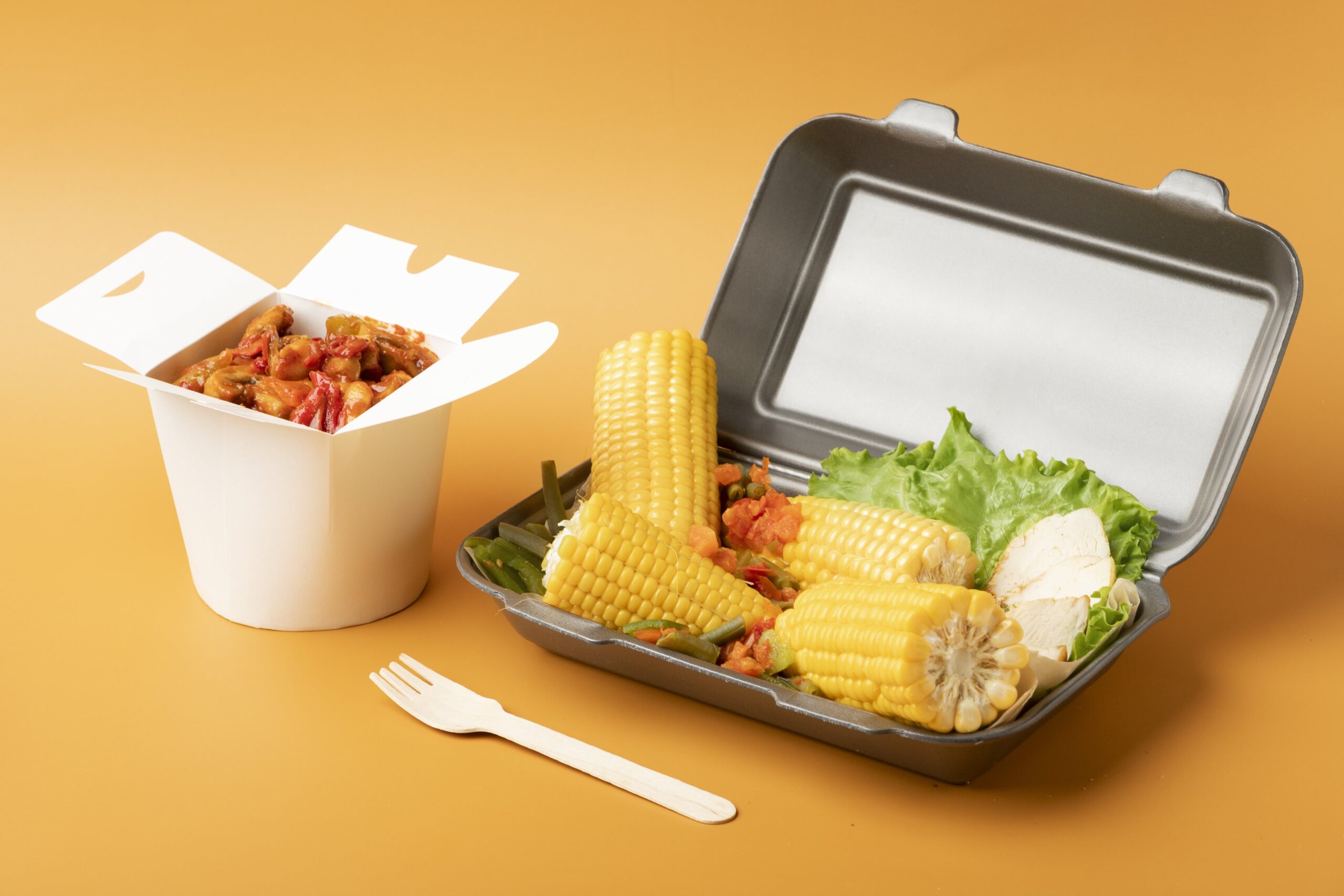
It usually starts with the hands. A customer takes a delivery bag or a tray at a food truck, and their first impression isn’t of the food, it’s of the box and how it feels. Whether the lid fits well, if it holds its shape, before a bite is taken, the food packaging box has already spoken on your behalf. At Art Impact Packaging, we’ve seen how a well-chosen box can quietly improve customer confidence, and even encourage repeat orders. Reach Out to us to create your food package boxes and make your brand stand out. More Than Just a Box The role of food packaging goes beyond carrying a meal. It frames how the food is seen, held, and consumed. When done right, packaging becomes part of the eating experience. Why Design Doesn’t Need To Shout Printed logos and bold colours have their place. But many businesses now lean toward understated food box packaging, solid colours, clean folds, and subtle finishes that let the meal do the talking. Luxury food packaging boxes often leave space, not just in their design, but in how they let the food speak. Whether it’s a matte black finish or a window showing off a fresh salad, less can be more. Size And Shape Influence Perception Serving the right portion in the wrong box can make it feel less. Boxes that are too large can dwarf the contents, while cramped ones distort presentation. Balanced sizes create trust. Tuck boxes are ideal for burgers, wraps and chips. Pillow boxes suit snack portions or giftable bakery items. Cardboard boxes are a reliable option for sides and small mains. These small choices influence how generous a portion feels, and how memorable a meal becomes. Matching the Box to the Food Different foods need different packaging solutions. It’s not only about appearance, it’s about function. A meal that arrives looking tired or crushed is unlikely to earn repeat business. Hot Food Needs Thermal Support Meals served warm demand boxes that retain heat without causing sogginess. Ventilation, thickness, and material choice all play a role. Food Type Packaging Tip Suggested Product Pizza Needs a vented box to avoid steam build-up Pizza boxes Fried food A grease-resistant inner lining is essential Mailer boxes Pasta & curry Deep, secure, often foil-lined or corrugated Corrugated boxes Burgers Quick closure, easy stacking, lid lock Burger boxes Cold Food Benefits From Visibility For salads, sandwiches and desserts, visibility adds perceived freshness. Windowed packaging allows the customer to see what they’re getting before the first bite. Sleeve boxes with die-cut windows offer structure with a view. Display boxes highlight colour and layering in cakes or cold dishes. Black food packaging boxes create contrast, especially when paired with fresh greens, reds and golds. Snacks Deserve Better Than Plain Wrappers Smaller items are often overlooked, but they travel the furthest, to desks, parks, and events. These moments are marketing opportunities. Gable boxes are portable and visually distinct. Dispenser boxes help manage grab-and-go items like napkins or nuts. Soap-style packaging for brownies, bars and squares gives shape to softer products. Material Matters Beyond looks, the material of your food boxes’ packaging determines how the food arrives, how it’s held, and how it’s remembered. Choosing Your Core Material Kraft board is widely loved for its natural texture and environmentally friendly image. Corrugated board adds strength and rigidity for longer delivery routes. Cardboard offers the most flexibility for shaping and printing. Luxury finishes like spot UV or foil embossing are best reserved for premium sets or giftable items. When food packaging boxes wholesale orders are placed, buyers often overlook how material choice affects everything from printing to stacking. A rigid box may hold better, but take up more room in storage. When Sustainability Is Expected Eco-conscious customers aren’t just a niche anymore. For many brands, using recyclable or compostable packaging is part of the brand promise. This doesn’t mean sacrificing appeal. In fact, unique food packaging boxes made from sugarcane pulp, bamboo, or kraft often look more bespoke than plastic-laminated alternatives. Sustainability wins trust when: Materials are clearly marked (recyclable or compostable). Packaging isn’t over-engineered. Finishes don’t interfere with recyclability. Branding That Supports the Food You don’t need loud branding to make a box yours. The goal is recognition, not distraction. Custom Food Packaging Boxes With Logo Placement A clean logo in the corner. A printed insert inside the lid. A QR code leading to an online menu. These are quiet ways to reinforce identity. Too much branding can sometimes create distrust, especially if the product feels lower quality than the packaging. Balance is key. Embossing or foil-stamping works well on rigid boxes for upscale packaging. Print-on-kraft adds a handcrafted feel. Magnetic closures, such as those on magnetic closure boxes, work well for gifting or premium launches. Consistency matters more than novelty. A customer should recognise your packaging at a glance, from the shape, feel, and detail, even without reading a word. Serving Food Trucks and Fast Environments Fast-moving stalls, trucks and festivals require packaging that stacks well, seals securely, and moves fast. What Works For Mobile Kitchens Burger boxes with no-fuss lids speed up service. Soap boxes hold dense baked goods and desserts. Clamshells and trays are ideal for chips and loaded fries. Hot bowls and tubs keep noodles and curries in place on the go. Even the packaging of drinks matters. Secure cup lids, sleeve holders and flat trays help keep orders together when people are walking through crowds. The packaging isn’t just practical; it also becomes a signal to others in line that the food is worth waiting for. What Makes a Box Unique? Many assume “unique” means reinvented. But it can simply mean fitting, perfectly suited to your food, your customer, and your context. Quiet Details That Stand Out A slight colour shift to match your brand palette. A window that catches the eye but doesn’t reveal too much. Textured kraft that feels different in the hand. Edges that fold neatly and close with a

Thoughtful Packaging Ideas for Thanksgiving Food Boxes

Before the pie is unwrapped, before the turkey is carved, and even before the ribbon is untied, it’s the box that sets the tone. Well-packed Thanksgiving food boxes don’t just hold dinner. It frames it. It prepares the mind to expect something warm, something considered, something good. In the UK, where Thanksgiving is observed by expat communities, American-owned businesses, and seasonal food retailers, thoughtful packaging offers a way to quietly stand out. It gives your food products a purpose beyond the plate, to feel like a gift, not just a meal. Because in a season that’s about gathering, gratitude, and good food, even the box deserves a moment. At Art Impact Packaging, we’ve seen how small design decisions can make seasonal packaging feel memorable, not just functional. Why Thanksgiving Food Boxes Still Matter in the UK While it’s not a bank holiday in Britain, Thanksgiving is growing in recognition, especially among artisan bakeries, American-themed eateries, and e-commerce food sellers. For these brands, Thanksgiving is less about tradition and more about warmth, gratitude, and presentation. Some customers seek comfort food from home. Others simply enjoy the autumnal flavours and festive spirit. Either way, your packaging becomes part of the experience. Subtle visuals, like kraft paper, deep orange tones, or simple “thank you” notes, often have more impact than overt seasonal slogans. A food box for Thanksgiving doesn’t need to be extravagant. It just needs to feel intentional. Matching Thanksgiving food boxes to the Thanksgiving Offering The contents of a Thanksgiving meal can range from multi-layered pies to delicate cookies, hot side dishes to neatly portioned mains. Your Thanksgiving food boxes need to hold each one safely and present it attractively. For warm meals and main dishes Hearty foods, from turkey slices to roasted veg, need packaging that maintains warmth without creating unwanted moisture. Durability and internal structure are essential, especially for those offering local delivery. Food Item Suggested Material Best Box Type Roasted turkey slices Corrugated board Corrugated boxes Stuffing and roasted veg Kraft board Kraft boxes Pies or hot bakes Lidded cardboard Cardboard boxes Sides or sauces Secure fit containers Tuck boxes For baked goods and seasonal treats Presentation makes a difference here. A boxed pie with a clear window or structured insert can feel more valuable. The same goes for hand-decorated biscuits or small cakes. Rather than wrapping items loosely, businesses often rely on display boxes or sleeve boxes to showcase the food while protecting it. Pillow boxes work well for treats like fudge or spiced nuts, compact, shaped, and giftable. Gift-Ready Thanksgiving food boxes for Seasonal Moments Thanksgiving is increasingly treated as a gift-giving opportunity in the food sector. From corporate gift baskets to family-sized bakery orders, people want packaging that looks as good as what’s inside. A well-built food gift box for Thanksgiving can make a lasting impression. These aren’t just delivery containers; they’re keepsakes that carry emotion, care, and thought. Custom inserts allow delicate items to arrive safely. A magnetic closure adds tactile elegance to magnetic closure boxes, while soft-touch finishes (matte or gloss) turn a simple container into a seasonal highlight. Even standard cardboard food boxes can be made festive with a simple “gratitude” tag or subtle autumn-themed print. Gifting is emotional. So is food. Your packaging can bridge the two. Sustainability: Not Just a Feature, But a Decision Eco-conscious packaging is no longer just a preference. For many customers, it’s expected. Brands that ignore this expectation risk falling behind, especially when gift buyers are looking for thoughtful choices. Thanksgiving food packaging can be beautiful and sustainable. The material you choose reflects your values as much as your aesthetics. Kraft boxes have become the go-to option for artisan food businesses. They’re recyclable, tactile, and carry an understated warmth that matches the season. Recycled cardboard works well for heavier items or stackable needs, while corrugated designs are ideal for long-distance delivery or larger orders. Some food brands still use laminated finishes or heavily dyed packaging for seasonal impact, but there are better alternatives. Minimal ink coverage paired with smart structural design often does more, both visually and for the environment. For brands distributing across the country, using eco-conscious food boxes UK customers recognise and trust builds goodwill, not just sales. Designing for Subtle Seasonal Impact A box doesn’t need pumpkins and foil-stamped leaves to feel festive. In fact, subtle design choices often create a stronger impression. Take colour, for example. Deep burgundy or forest green can evoke autumn without being cliché. Or texture, a lightly ribbed kraft board feels more crafted than something overslick and glossy. Many brands print a simple message inside the lid. A short “thank you” or a note of appreciation for seasonal support gives the customer a sense of connection. These small touches reinforce your brand’s voice without saying too much. It’s easy to over-decorate festive packaging. But restraint speaks volumes. When used well, custom-printed food gift boxes become more than just containers; they become part of the seasonal story. Shapes and Styles That Match Your Menu Flexibility is crucial. Your Thanksgiving offering might be a set menu, a bakery gift pack, or a single signature item. And your box needs to match that purpose. Gable-style boxes work well for multi-item takeaways or family meal kits. Soap boxes, when used creatively, can house thick dessert slices or dense snack bars. For add-on items, dispenser boxes can be adapted to suit condiments, drinks, or festive extras. You don’t need to invent a new box. You just need to select the right one. A structured set of rigid boxes for luxury gifts can elevate brand perception instantly. On the other end, simple tray-style containers, printed or windowed, work well in casual market or café settings. Shape reinforces the story. Choose with care. Delivering Thanksgiving Orders Safely Seasonal orders often come in higher volumes and travel further. That’s why packaging that looks great also needs to perform. A delivery box for food must protect contents from heat loss, shifting, and external impact. Internal partitions