Future of Sustainable Custom Packaging Boxes UK 2026 Explained
Sustainability isn’t a trend anymore. In the world of packaging, it’s the baseline. By 2026, more UK businesses will be quietly making the shift, not because it sounds good, but because it makes sense. The pressure is coming from all sides: customers asking more questions, suppliers offering better alternatives, and waste costs creeping up. Packaging is part of that conversation now, and not just for eco brands.
We see this play out daily at Art Impact Packaging. Some brands come in asking for Kraft. Others ask what “plastic-free” actually means. And many just want to know what their options are. If you’re in the same boat, we’re here to help. Call us on +44 7435 789442 or send a message to get a custom quote.
What “sustainable” means in real terms
We see this play out daily at Art Impact Packaging. Some brands come in asking for Kraft. Others ask what “plastic-free” actually means. And many just want to know what their options are. If you’re in the same boat, we’re here to help. Call us on +44 7435 789442 or send a message to get a custom quote.
There’s a lot of talk about sustainable packaging, but very few clear definitions. So let’s keep it simple. A sustainable custom packaging box is one that’s kinder on resources, easier to dispose of responsibly, and actually does its job.
In practical terms, that might mean using fewer materials. Or choosing a board that’s made from recycled fibres, instead of virgin pulp. It might mean removing plastic film from the inside of a lid, or not adding a window just because it “looks nice”. It might even mean using less ink, because that affects recyclability too.
But it’s not just about what the box is made of. It’s about how the box fits into the rest of your operation. Does it take up less space in your storeroom? Is it easier for the customer to recycle? Can it be reused, without falling apart? That’s what we mean when we say sustainable. Less about slogans, more about sense.
Recyclable vs compostable, what’s actually better?
A lot of people ask this. And honestly? It depends.
Compostable custom boxes UK can be great for smaller brands or for products that have a short shelf life. They’re usually made from natural fibres, sugarcane, kraft, sometimes moulded pulp, and designed to break down in a home compost bin or under commercial composting conditions. They work especially well for items like soap, light gifts, or low-volume local orders.
But most customers still understand recycling better than composting. That’s why for most larger brands, recyclable product boxes UK are still the safer option. A simple, clean box made from corrugated or folding board, like our Mailer Boxes or Tuck Boxes, is easy to print on, sturdy enough for shipping, and can be flattened and recycled without a second thought.
If you’re not sure where your customers are likely to dispose of your packaging, or if you don’t have a way to explain it clearly, recyclable might be the better route for now.
Why UK Brands Are Switching to Sustainable Packaging Materials?
Most UK brands we work with are drawn to green packaging materials UK for two reasons: they feel better and they look better. Recycled kraft board is the obvious one, strong, earthy, and instantly communicates “eco” without needing to say it. We use it often in Kraft Boxes and plastic-free packaging UK options where that clean, natural look fits the brand.
But there are others. Corrugated board, the kind with a fluted middle, is tough and lightweight, making it ideal for eCommerce. Some clients are also asking for soy-based inks or compostable coatings instead of lamination. It’s these small changes, not big gestures, that really start to shift your packaging in the right direction.
Even the glue matters. We’ve started moving more clients over to paper-based sealing strips or fold-in flaps, so they don’t have to rely on plastic adhesives. Doesn’t sound glamorous, but it works.
Can you go plastic-free without compromising quality?
In short, yes, and more brands are doing it quietly. Plastic-free doesn’t mean flimsy. It doesn’t mean your packaging has to look homemade, either. It just means removing the bits that don’t need to be there.
Take plastic-free packaging UK. We’ve replaced window films with vellum paper or cut-out shapes. Inserts that used to be foam now come in moulded pulp or recycled card. And coatings? Most of the time, you don’t need them at all, not if the box is printed well and finished cleanly.
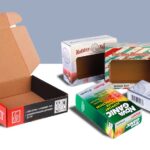
We’ve made Display Boxes with curved folds instead of glued tabs, and Sleeve Boxes that hold snugly without magnets or foam. These aren’t sacrifices. They’re just smarter decisions. Once you step away from the “default” choices, you realise how much is possible, and how little is missed.
Of course, going plastic-free isn’t always the cheapest route upfront. But the long-term value, in customer trust, eco-conscious branding UK 2026, and waste savings, often pays off.
How Eco-Friendly Packaging Builds Trust with UK Consumers
By 2026, eco-conscious branding UK will no longer be a statement. It’s an expectation. The language has shifted. Customers are tuning out of loud green claims and looking for proof in the quieter details. That’s where your packaging comes in.
You don’t need to plaster your box with leaf icons or buzzwords. In fact, some of the most sustainable boxes we’ve seen say nothing at all. A natural kraft Gift Box, a clear note about how to recycle it, maybe even a QR code with a short explanation, that’s enough.
We’ve worked with brands that decided to change their entire packaging strategy after realising the unboxing experience didn’t match their ethos. One switched from gloss-laminated folding cartons to uncoated Cardboard Boxes. Another replaced plastic trays with scored paperboard. The packaging didn’t look less professional. It just looked more honest.
This shift isn’t about perfection. It’s about alignment. And customers notice, even if they don’t say it out loud.
How to Match Packaging Type to Product Needs in 2026?
Not every sustainable box works for every product. That’s worth saying. If you’re shipping heavier items, you’ll need something sturdier. If the product is delicate or shaped oddly, you might need extra support.
For products that sit on retail shelves, Pillow Boxes work well, lightweight, compact, and easy to open. If you’re running an online store, Mailer Boxes give you durability and printing space without overcomplication. Brands selling in person or at markets often like Tuck Boxes, because they’re simple and stack neatly.
It’s not about finding the most “eco” option on paper. It’s about finding the one that suits your product, your logistics, and your customer. That’s how sustainability works in the real world, by being useful, not just well-meaning.
Ready to Create Your Sustainable Packaging for 2026?
Sustainability doesn’t need a spotlight. It just needs to be there, quietly doing its job, making things a little better. The best sustainable custom packaging boxes UK 2026 aren’t the ones shouting about how green they are. They’re the ones that were designed with care, used with purpose, and then quietly disappear into the recycling bin, the compost pile, or someone’s cupboard, ready to be reused.
If you’re trying to figure out what that looks like for your brand, we’d be happy to talk it through. Whether you’re early in your planning or already knee-deep in material samples, we’ll meet you where you are.
FAQ's

It's about material, design, and disposal. If your box uses recycled or renewable material, avoids unnecessary plastic, and can be recycled or composted, it's moving in the right direction.
Not always. Compostable works well for small-scale, local products where customers know what to do with the box. Recyclable is often more practical for wide distribution.
Yes. With the right design choices and suppliers, most custom boxes, including printed ones, can be made without plastic. It just takes a bit more planning.
Sometimes upfront, yes. But when you factor in lower shipping weight, easier storage, and brand value, the cost often balances out.
More than you think. Even if they don’t say it, customers notice when something feels considered. And when it feels careless, they notice that too.