Custom Packaging Design Trends for 2026
Custom packaging design trends for 2026 include a blend of sustainability (refillable and compostable materials), technology (AR, smart codes, and AI integration), and enhanced user experience through personalization, interactive elements, and multisensory designs. Brands are also embracing minimalist aesthetics, bold typography, innovative shapes, and nostalgic elements to stand out.
Packaging used to be simple, just something to hold a product. Not anymore. These days, it’s where your branding, your values, and your customer experience all come together.
By 2026, custom packaging isn’t just helpful, it’s strategic. At Art Impact Packaging, we’ve seen this shift firsthand. Packaging has become part of how a business speaks, whether you’re selling skincare in Bristol or coffee beans in Glasgow.
This guide explores the latest custom packaging design trends, with a clear eye on what actually works. And if you’re thinking about how to apply them to your own brand, feel free to get in touch or call +44 7435 789442.
Custom Packaging Design earns its place with a seasonal sleeve
For most brands, packaging is the first thing a customer touches. And in a market that’s only getting more crowded, first impressions really do count.
In 2026, good packaging doesn’t just protect a product, it helps sell it. That could mean a short-run seasonal sleeve for your latest promo or a custom design that reflects your values right down to the paper stock.
This shift is highly visible in industries like food and beauty. For such products, custom box packaging design plays a big role in shelf appeal. When done right, it’s functional and emotional; it connects.
Sustainability is the new baseline for custom box packaging design
This isn’t about trends, it’s about expectations. Most customers now assume your packaging will have at least some recycled content, and that it won’t be harder than it needs to be to dispose of.
We’ve noticed a sharp rise in requests for biodegradable and FSC-certified materials, especially in custom design packaging UK for cosmetics and food. People want boxes that look good, work well, and don’t leave a mess behind.
That’s pushing more brands to choose custom food packaging design and custom design cosmetic packaging that uses mono-materials, compostable inks, or lighter-weight stock.
Digital packaging that actually helps with custom food packaging design
QR codes aren’t new, but how they’re being used is. In 2026, they’re part of a wider shift towards packaging that does more than sit on a shelf.
With custom packaging box design, brands are linking customers to tutorials, loyalty schemes, traceability info, and even seasonal offers. It’s especially useful for food and skincare, where people want to know exactly what they’re buying and why it matters.
And this isn’t just for global giants, UK makers and indie brands are adopting smart labelling too, often in simple, low-cost ways that add real value.
The less-is-more effect
There’s a reason minimalist packaging keeps showing up. It doesn’t date quickly. It’s easier to print and recycle. And it gives products a calm kind of confidence.
For custom design packaging for retail, clean layouts and a muted palette can make just as much impact as something bold. Especially when paired with subtle touches, like a soft matte finish or blind embossing.
It’s a style that works across categories, from artisan food to wellness kits. And in a crowded market, it helps the right things stand out.
AI is helping behind the scenes of Custom Packaging Design
AI’s role in packaging isn’t always visible, but it’s growing. In 2026, many brands will be using AI tools to test colour choices, generate prototypes, and shape layout decisions faster.
If you’re working with multiple SKUs or running seasonal lines, tools that streamline custom design cosmetic packaging or food box production are a practical win. AI also helps reduce waste by right-sizing packaging and predicting demand.
It’s not replacing designers, but it is giving them better data. And that makes for sharper, more informed choices.
Rethinking reusability
More brands are designing boxes that aren’t just used once. Tearaway compartments, refillable inserts, fold-out trays, it’s all becoming more common, especially in categories that rely on presentation.
This applies not only to premium beauty, but to custom design food packaging too. Packaging that stores leftovers or doubles as a serving tray can leave a stronger impression than a clever slogan ever could.
If you’re a custom design cosmetic packaging supplier, reusability is now a mark of good design, not just good ethics.
Formats that save time (and stress)
In 2026, packaging needs to be fast to assemble, easy to scale, and cost-effective in short runs. That’s driving more brands to choose formats that support automation.
Die-cut boxes, crash-lock bases, and straight-line gluing are becoming more common in custom design packaging UK. These features might seem small, but they make life easier during fulfillment, especially for businesses managing growth.
Digital printing also plays a big role. It lets you test ideas quickly, personalise packaging, or run event-specific editions without major costs.
Texture still wins on the shelf
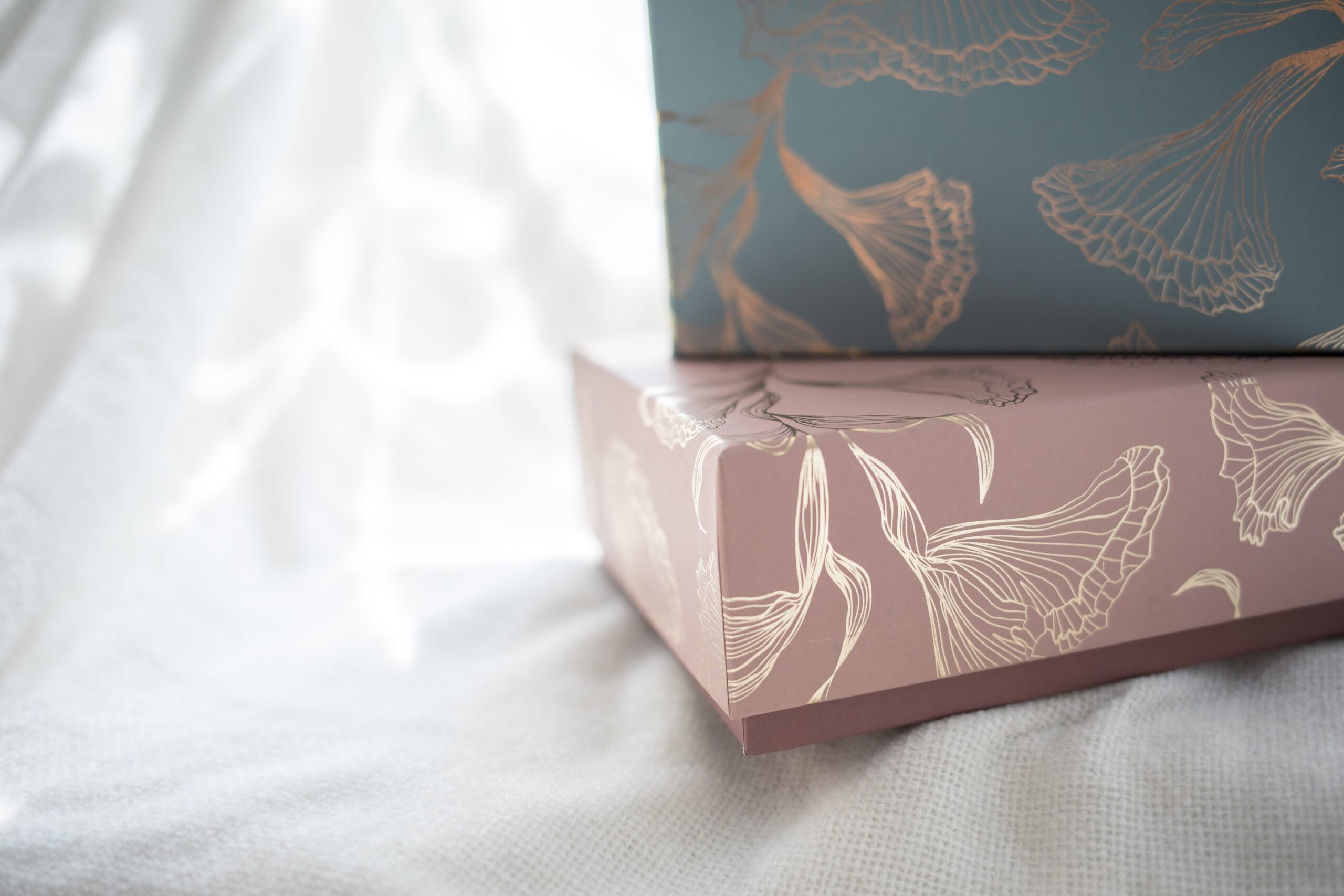
It’s easy to think packaging is all about visuals. But when people touch a box, they remember it differently. That’s why tactile finishes, like foil stamping, embossing, or soft-touch coatings, are still widely used in custom box packaging design.
For brands in beauty, gifting, or fashion, texture becomes part of the experience. It’s not about being flashy, it’s about being memorable. And when done right, it quietly signals care and quality.
Choosing the right format
Here’s how different packaging types align with 2026’s design priorities:
Format | Use Case | Why It Works |
Folding Cartons | Everyday retail, food, supplements | Light, compact, easy to brand and recycle |
Rigid Boxes | Gifts, beauty, electronics | Premium feel, durable, high-end finishes |
Mailer Boxes | E-commerce and subscriptions | Strong, secure, easy to customise |
Kraft Boxes | Eco brands and artisan products | Recycled stock, simple printing |
Pillow Boxes | Accessories, samples, jewellery | Soft, compact, often recyclable |
Display Boxes | POS and in-store setups | Eye-catching, quick to assemble |
Magnetic Closure Boxes | Luxury or limited-edition items | Elegant, tactile, reusable |
Sleeve Boxes | Promotions, seasonal collections | Flexible, low-cost, good for limited runs |
Looking to explore packaging options?
Here are some of our most-requested formats:
In a nutshell
In 2026, custom packaging design is about making smarter, quieter choices. Ones that match your product’s value, your brand’s pace, and your customer’s expectations.
From more sustainable materials to designs that assemble quicker, the best packaging this year will be the kind that earns its place, on shelf, in hand, or through the letterbox.
At Art Impact Packaging, we’ve helped UK brands find that balance for over two decades. Whether you’re testing a new idea or refining a best-seller, we’re here to help you make packaging that works, for people, product, and planet.
FAQ's

It’s the process of creating packaging tailored to your product’s size, use, and branding, so it fits both function and identity.
Because packaging is often your first touchpoint, done well, it can improve shelf appeal, reduce waste, and tell your brand’s story all at once.
Recycled board, compostable films, plant-based inks, and mono-material formats are all common choices, especially in custom design packaging UK.
Yes, maybe more than ever. In a digital-first world, physical texture stands out. It invites interaction and often helps brands get shared more online.
Think about the product’s journey, your brand tone, and how much flexibility you need in size or print. A supplier like Art Impact Packaging can walk you through your best options.