Folding Cartons vs Rigid Boxes and When to Use Each
Folding cartons are best for lightweight, high-volume retail products and cost-effective branding, while rigid boxes are for premium, high-value products that require a luxury feel and structural protection. The choice depends on the product’s fragility, value, and budget, with rigid boxes providing durability and a high perceived value for things like electronics or luxury goods, and folding cartons offering affordability and excellent printability for everyday items like cereal or cosmetics.
Not all of the boxes are built the same. Some fold flat and save space, while the others are built to impress the audience from the moment they’re opened. Choosing between Folding Cartons vs Rigid Boxes isn’t just about cost or looks; there are a number of reasons you need to consider when you select one. It’s all about what your product needs.
At Art Impact Packaging, we’ve seen how the right choice can shape both the unboxing experience and your logistics supply chain. Whether you produce high volumes or are just testing start-up packaging ideas for 2026, the differences matter a lot. For tailored advice or samples, contact us at +44 7435 789442 or reach out via our contact us page.
Folding cartons: flexible, flat-packed, and efficient
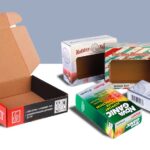
Folding cartons are the go-to for many retail products. They’re lighter, cheaper to produce, and easier to store. Because they collapse flat, they save you money on delivery and warehousing.
They also work well if you’re exploring low MOQ carton boxes in the UK. The ability to run small batches makes them popular with artisan and seasonal brands. On top of that, folding carton packaging UK supplies are easy to print, which keeps branding costs low.
Useful for:
Rigid boxes: durable, refined, and ready to display
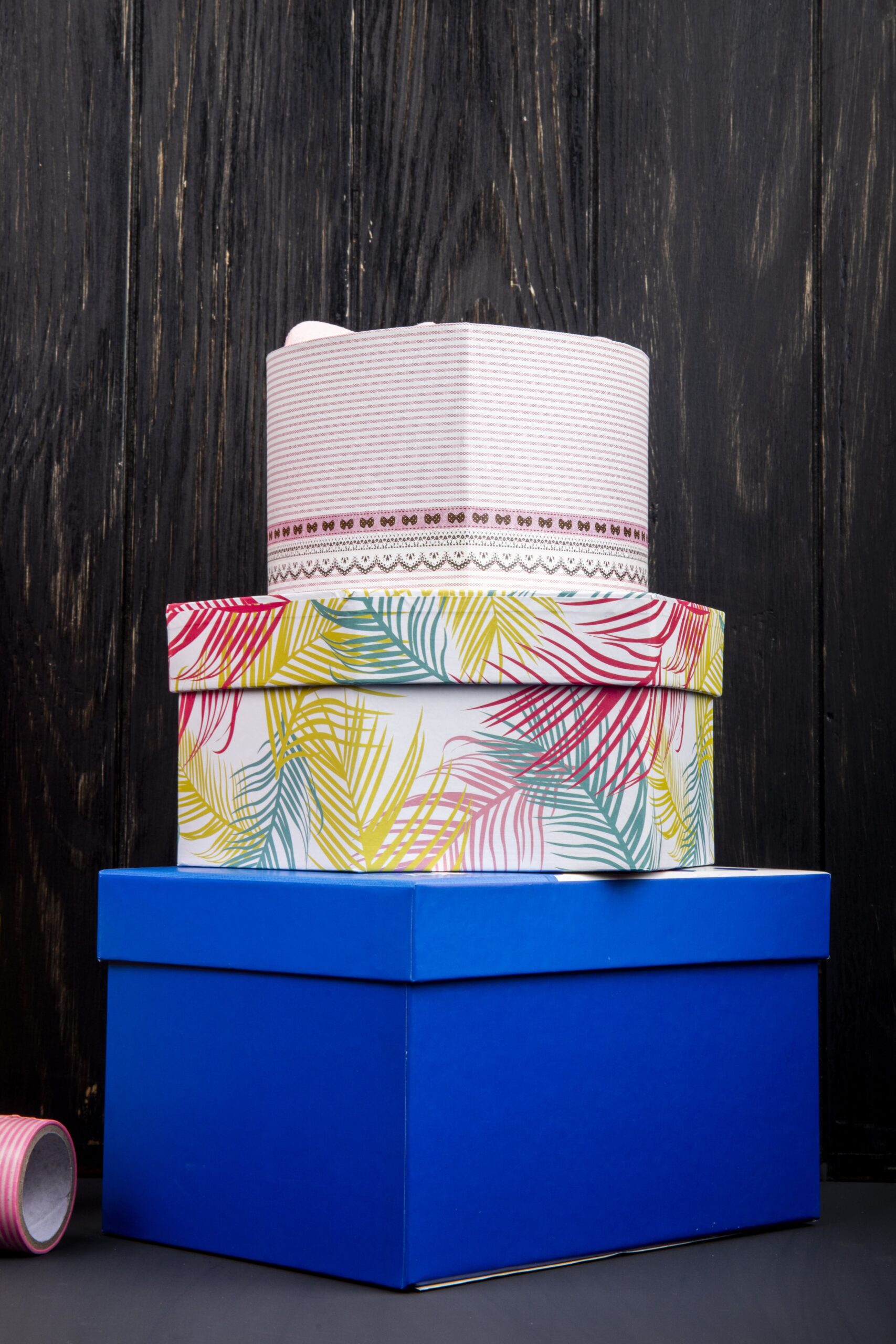
Rigid boxes don’t fold, and that’s part of the appeal. They’re already shaped, so they skip the assembly stage and feel substantial in the hand. If you’re selling a premium product, appearance matters, and these boxes deliver.
Commonly used for high-end skincare, electronics, or luxury retail, they also support a wide range of finishes, magnetic closures, textured wraps, and even velvet linings. Rigid gift boxes UK have become standard for anything positioned as ‘special’.
Useful for:
Folding cartons vs rigid boxes: a quick comparison
Feature | Folding Cartons | Rigid Boxes |
Structure | Collapsible, shipped flat | Pre-assembled, keeps its shape |
Material | Light paperboard | Thick chipboard |
Printing | Printed directly on the surface | Wrapped with a printed or textured cover |
Cost | Lower | Higher |
Storage | Efficient | Takes more space |
Branding | Flexible and affordable | Premium look and feel |
Best For | Retail, food, seasonal products | Luxury items, gifts, high-value goods |
MOQ Suitability | Great for low MOQs | More suited to larger production runs |
How they’re made, and what that means
Folding cartons are made from a single piece of thin paperboard. They’re cut, printed, folded, and glued into shape, then shipped flat until you’re ready to use them.
Rigid boxes, on the other hand, are made with much thicker chipboard. They’re assembled during manufacturing and hold their shape. Instead of printing directly on the board, a printed or textured wrap is usually glued over the top. That’s what gives them a more tactile, premium finish.
Practical strengths of each option
Your choice affects everything from shipping costs to how the customer feels holding the box. Here’s how each style works in practice.
Corrugated boxes: made for movement
Corrugated boxes are all about protection. Made from three layers of board, including a fluted centre, they’re strong and shock-resistant. That makes them ideal for e-commerce brands or anything that needs to survive shipping.
They don’t feel as refined as folding or rigid boxes, but they offer unmatched strength. Some businesses use them purely for delivery, while others customise them for branding.
Useful for:
Folding Cartons vs Rigid Boxes: How to choose the right box?
Before choosing the right box, read these important aspects:
Start with the product
Weight and fragility come first. Lighter items like chocolate bars, soap, or cosmetics are fine in folding cartons. Heavier or more valuable items benefit from the structure of a rigid box. If something’s fragile or going in the post, consider corrugated.
Match your brand experience
If the box is part of the product, like a jewellery box or candle set, rigid makes sense. But affordable custom packaging UK doesn’t always mean going premium. Many brands achieve impact with clever folding carton designs, textured boards, or custom cut-outs.
Explore both if you’re packaging gifts, samples, or brand kits:
Storage and speed matter too
If you’re short on space or shipping large quantities, flat-packed folding cartons are far easier to manage. Rigid boxes take up more room but arrive ready to use, no assembly needed.
For start-ups, this can be a trade-off. Folding cartons suit affordable, low MOQ packaging in the UK with less risk.
What to ask your supplier before choosing affordable custom packaging UK?
Before placing an order, it helps to clarify the basics.
Will this support the weight of my product?
Don’t assume, ask for samples or guidance. Some folding cartons are stronger than they look, and rigid isn’t always necessary.
Are there eco options?
All three types can use recycled or FSC-certified board. If sustainability matters to your audience, ask what materials are available.
What’s the MOQ for custom designs?
Most UK suppliers offer low MOQs, especially for folding cartons. Rigid boxes can sometimes be more restrictive due to assembly costs.
Will it ship well?
If you’re sending directly to the customer, it is highly essential for you to consider how the box performs in transit. You must need a protective mailer or outer layer.
To close the loop
There is nothing like one-size-fits-all when it comes to packaging. Folding cartons, rigid boxes, and corrugated boxes each have their own perks and serve a different purpose. The best one is the one that fits your product, your budget, and most importantly, the expectations of your customers. If you are still unsure about picking one, it is always worth getting advice from an expert. Good packaging isn’t just about appearance; it’s about how it feels, how it functions, and how well it fits into your wider operations.
And in many cases, the quietest packaging choices, the ones that simply work, are the ones that leave the strongest impression.
FAQ's

Folding cartons are lightweight, they are flat-packed, and made from thin board. On the other hand, rigid boxes are stronger, non-collapsible, and are just perfect for high-end products.
Yes, this packaging style is commonly used for watches, cosmetics, and high-end electronics. The sturdy shape and tactile wrap enhance perceived value.
Absolutely. Folding cartons support a range of finishes, including foil, UV gloss, and embossing, directly on the board surface.
Many start-ups choose folding cartons due to lower costs, low MOQ carton boxes in the UK, and easy customisation. Rigid boxes suit brands aiming for a premium market.
Both types can be made using recycled paperboard. Folding cartons may have a lower overall footprint due to flat shipping and lighter materials.