
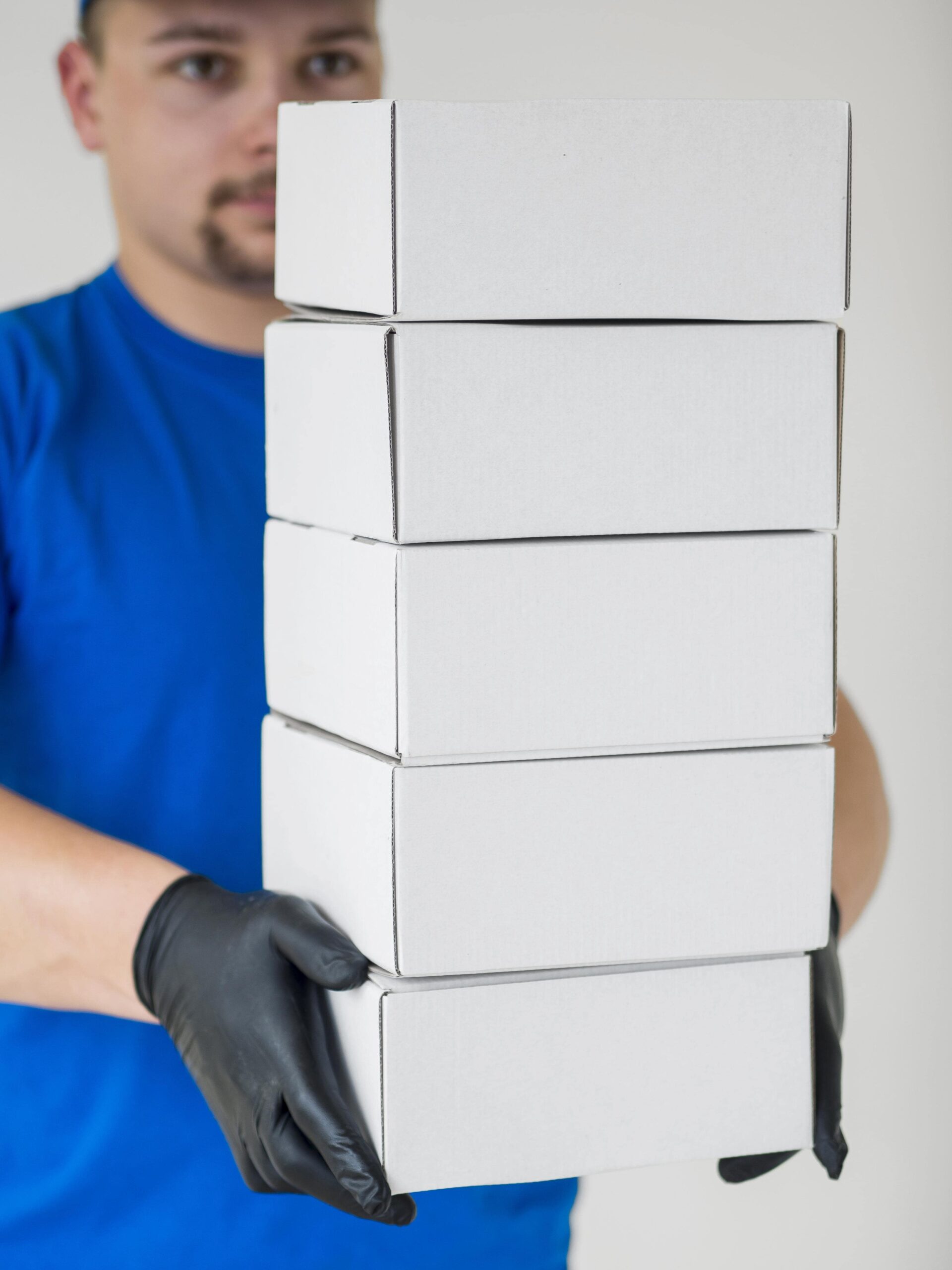
Kraft Boxes vs White Boxes: What Works Best?
Some packaging decisions are obvious: dimensions, weight, and strength. Others come down to feel. And one of the quietest but most important choices you’ll make is colour. Do you go with the earthy honesty of Kraft, or the clean finish of white?
We’ve seen this decision play out countless times at Art Impact Packaging. Sometimes a brand has a clear vision. Other times, they hold two mockups in hand and ask: “Which one feels more us?” If you’re sitting with that same question, Kraft boxes vs white boxes, this guide will help you weigh it up.
If you’d prefer to talk it through, we’re always happy to help. Call us on +44 7435 789442 or send a message here.
What’s the real difference between Kraft and white boxes?
On the surface, it’s just a colour choice. But dig a little deeper, and it’s more than that. Kraft boxes are made using unbleached paperboard, usually from recycled or sustainably sourced fibres. They’ve got a warm, natural tone, the kind of look that signals low waste, low gloss, and low fuss.
White boxes, by contrast, are often made from bleached paperboard or white-lined chipboard. They give off a polished, crisp impression, cleaner lines, sharper contrast, and more room for colourful branding.
But it’s not a matter of one being better than the other. It depends on what you’re sending, how you want it to feel, and the kind of brand story you’re telling.
Why do some brands prefer Kraft?
Some brands prefer Kraft for its brand recognition, especially for nostalgic or comfort food products like Macaroni & Cheese. The Kraft Heinz Company also uses its large portfolio of iconic brands to create strong brand loyalty and compete with private-label options, leveraging factors like consumer history, social media trends, and value-based pricing strategies to maintain relevance.
In the kraft packaging UK space, we’ve seen everything from artisan soaps to boutique stationery use Kraft Boxes as a way to say, “This is handmade. This is thoughtful.” You can print directly onto them, or keep things unbranded. You can dress them up with twine or leave them plain. Either way, the material holds its own.
Kraft also works especially well when sustainability is part of your brand’s identity. Many of our clients request eco-printed kraft boxes, made with water-based inks, no lamination, and simple, biodegradable finishing. The result is packaging that not only looks natural, but actually is.
That “natural look packaging UK” aesthetic has quietly become one of the most trusted visual cues for eco-conscious consumers. You don’t have to say you’re sustainable. The box does it for you.
Why do others go for white Boxes?
People choose white boxes for their clean, professional appearance, which enhances brand visibility and can make products seem more valuable, sanitary, and high-quality. They are also a versatile and often more affordable option that can be easily customized with vibrant printing and branding.
If Kraft is calm, white is clean. It’s used when you want a modern, uncluttered feel, especially in beauty, health, or high-end retail.
White cardboard boxes UK are often chosen for the flexibility they offer in design. Colours pop. Logos stand out. Foils and textures look sharper against a white background. That’s why many of our Gift Boxes and Jewellery Boxes come in white as standard; it’s a canvas that adapts to the product inside.
White boxes also feel premium when handled correctly. A soft-touch lamination, an embossed logo, a magnetic flap, these are the small upgrades that turn a simple white box into something memorable.
But white doesn’t always mean gloss. For brands leaning towards minimal packaging design UK, a plain, uncoated white box can be just as elegant. It’s about restraint, giving the product space to speak for itself.
Kraft Boxes vs White Boxes: Quick Comparison!!
Kraft boxes are a cost-effective, sustainable option with a natural look. White boxes, on the other hand, speak in sharper tones: polished, high-end, and ready for bold colour and clean design. Kraft often wins on eco-credentials, needing less processing and giving off that “made with care” impression. White shows detail beautifully, but also shows the marks of handling. In the end, it’s not just packaging — it’s personality. Choose the one that tells your story best.
Feature | Kraft Boxes | White Boxes |
Material | Made from unbleached, recycled, or sustainably sourced paperboard. | Made from bleached paperboard or white-lined chipboard. |
Appearance | Natural brown tone with rustic, earthy feel. | Crisp, polished look with a bright white surface. |
Brand Impression | Communicates honesty, sustainability, and handmade quality. | Suggests modernity, precision, and premium branding. |
Printing Quality | Colours appear softer and more muted. | Colours print vividly with sharper detail and higher contrast. |
Finish Options | Usually uncoated or matte for eco appeal. | Offers more finish options, gloss, matte, or soft-touch lamination. |
Eco-Friendliness | Lower processing, biodegradable, and often recycled. | It can be eco-friendly if FSC-certified and unlaminated. |
Common Uses | Artisan products, organic goods, eco-brands, stationery. | Cosmetics, tech, luxury gifts, health, and beauty packaging. |
Design Flexibility | Best for minimalist or raw aesthetic. | Ideal for colourful, detailed, or foil-accented branding. |
Cost Factor | Typically lower cost due to minimal processing. | Slightly higher cost for bleaching and finishing steps. |
Recyclability | Fully recyclable if uncoated. | Recyclable when free of foil or plastic lamination. |
Kraft Boxes vs White Boxes: Which is more eco-friendly?
This is where things get nuanced. In theory, Kraft boxes tend to have a smaller environmental footprint. They’re often made from recycled board, require less processing, and are easier to break down. For brands that prioritise natural-looking packaging in the UK and low-impact design, kraft is usually the obvious choice.
But white boxes aren’t necessarily wasteful. Many of our Cardboard Boxes and Corrugated Boxes in white are fully recyclable, FSC-certified, and printed using eco inks.
The real impact comes down to the details, coatings, adhesives, foil blocking, and how the customer disposes of the box. A laminated kraft box is less eco-friendly than an uncoated white one. It’s never just about colour.
Both box types are suitable for shipping. But Kraft boxes tend to be stronger due to the natural fiber used. They resist tearing and hold up well in transit.
What looks better in use, Kraft Boxes or White Boxes?
It depends entirely on context. For organic products, handmade goods, or anything with an earthy or ethical brand story, kraft often feels more aligned. We’ve seen this with everything from reusable face cloths to plant-based snacks. The box becomes part of the experience, not too polished, not too precious.
But when precision matters, for tech, cosmetics, or gifting, white can feel more fitting. Our Magnetic Closure Boxes in white are popular with clients who want an unboxing moment that feels curated. The white background also allows for more control over colour matching and finer design details.
Some brands split the difference. They might use a Kraft Mailer Box for e-commerce orders, and a white Sleeve Box for retail displays. Others test both and go with what gets better feedback.
Conclusion:
Kraft boxes vs white boxes isn’t just a visual decision. It’s a signal. A way of saying something, quietly, before the product is even touched.
Kraft says honest, handmade, grounded. White says clean, modern, precise. Neither is right nor wrong. The best choice is the one that reflects what your brand stands for and what your customers will feel when they hold it.
In the end, Kraft boxes are more sustainable than white boxes. Our kraft boxes are made of 100% recycled post-consumer and post-industrial materials.
At Art Impact Packaging, we’ve helped UK brands of every size find the right material for the job, sometimes kraft, sometimes white, sometimes a little of both. If you’re not sure what fits your story, we’re here to talk.
FAQ's

Often, yes, they require less processing and are typically made from recycled fibres. But it depends on finishes, coatings, and inks used.
They can. White provides a clean base for colour printing, textures, and foils, making it ideal for luxury or high-design brands.
Yes, but colours appear more muted due to the natural brown base. If vibrant colours matter, white may be better.
Yes, as long as they’re not coated in plastic or foil. Look for unlaminated, mono-material designs for easy recycling.