
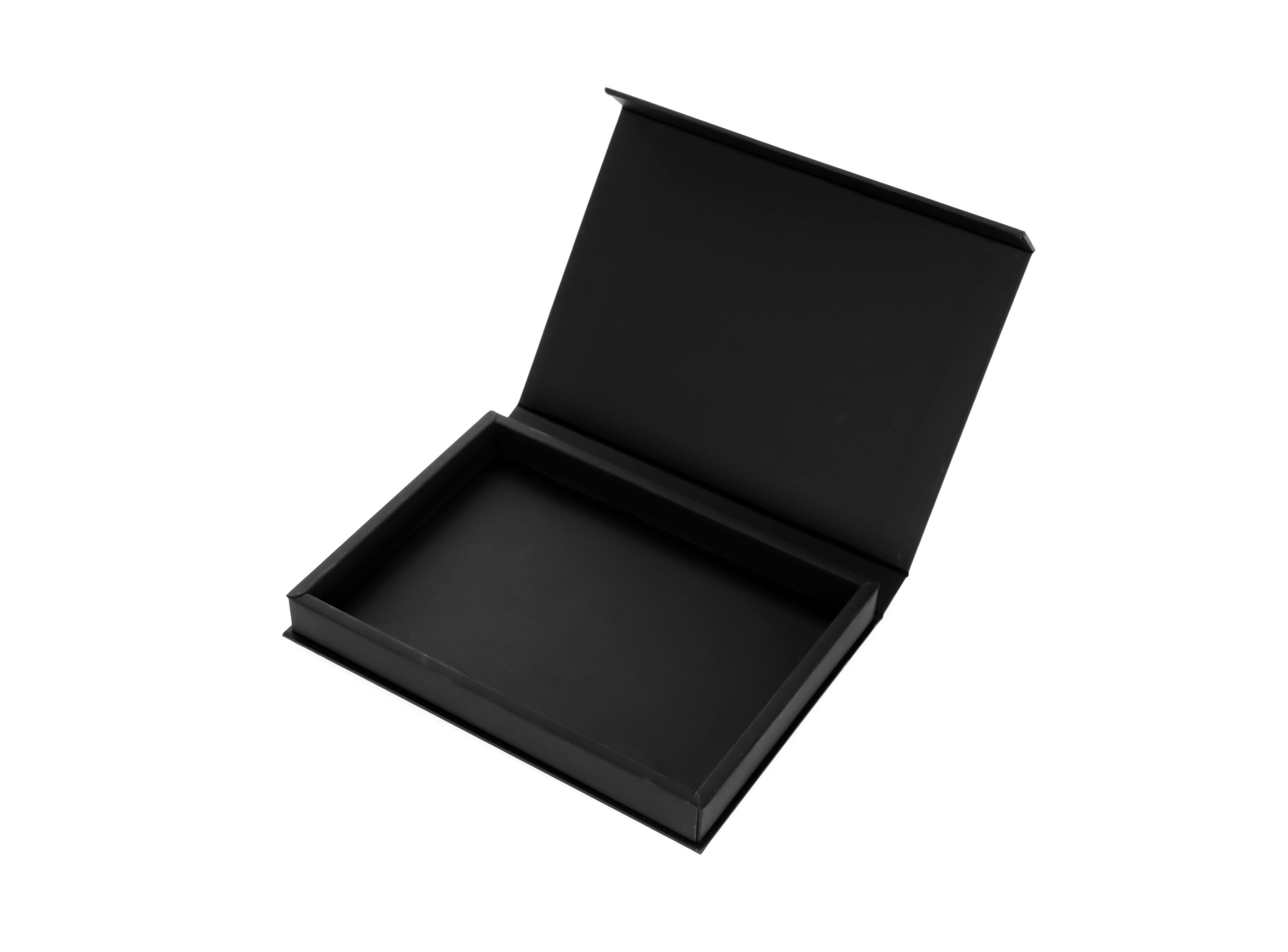
Rigid Boxes vs Magnetic Closure Boxes: Which Fits Your Product Best?
A watch box came across the line the other day, made of rigid board with a deep charcoal finish and a soft-close magnetic flap. The client had spent weeks choosing between that and a lift-off lid style. “It’s just a box,” they’d said at first. But by the end, they saw what we’ve seen time and again: it’s never just a box.
At Art Impact Packaging, we’ve worked with countless UK brands to make that decision easier. If you’re deciding between rigid boxes vs magnetic closure boxes, you’re not alone. It comes down to more than looks, function, impression, budget, and even storage can shape your final choice. Want to talk through it? Call us on +44 7435 789442, or fill out a form to get a custom quote.
So let’s break it down with practical insights that come from years of handling real packaging dilemmas.
What Are Rigid Boxes and Magnetic Closure Boxes?
Both rigid boxes and magnetic closure boxes fall into the luxury rigid packaging category. But they’re not interchangeable. Here’s the difference upfront:
- Rigid boxes are known for their solid build and structure. Think of them as the classic, lift-off lid boxes you’d find in high-end retail, strong, clean-lined, and dependable.
- Magnetic closure boxes, on the other hand, add a little drama. Their defining feature is the flap with hidden magnets that ‘snap’ shut, often used for unboxing experiences or gifting moments.
So, how do you choose between the two?
Choosing Packaging Based on Your Product Type
Are you aiming for understated or experiential?
Rigid boxes are timeless. There’s a reason custom rigid box printing UK is a go-to for watchmakers, chocolatiers, and even tech brands. The simple lid creates a sense of reveal, but without fuss.
Magnetic boxes, though, tend to feel more interactive. That satisfying ‘snap’ when they close adds a tactile memory. For gifting, or when visual storytelling matters, that little motion can leave a bigger mark.
Does your product sit flat or need framing?
The structure of a rigid box suits items that nestle neatly inside: think soaps, glassware, or folded garments. But magnetic boxes can better accommodate taller or shaped items, especially when paired with internal fitments or foam.
Space and Shipping: A Practical Comparison
How much space do you have?
One of the underrated differences between rigid and magnetic closure boxes is how they arrive. Rigid boxes are usually supplied fully assembled, which means they take up more storage space. But they’re ready to go.
Magnetic closure boxes, however, often come flat-packed. The sides fold up and attach via adhesive strips or snap-locks, making them far easier to store in bulk. If warehouse space is tight, that might tip the scales.
What about assembly time?
Rigid boxes require no setup, open, fill, and close. Magnetic boxes might need a moment of folding, especially if you’re assembling a few hundred. For small-batch, high-impact products, that’s often fine. But in fast-paced fulfilment, those extra seconds add up.
Which One Is Better for Your Budget?
Which costs more?
Both are premium options, but magnetic closure boxes often involve more complex construction, magnets, folding flaps, and additional adhesive, which can affect pricing. If you’re working to a tight budget or launching in stages, rigid boxes might offer more control over cost per unit.
That said, finish and size play just as big a role. A small magnetic gift boxes UK with minimal printing could still be more economical than a large, multi-layered rigid box.
Do you care about eco credentials?
More brands now ask about sustainable luxury boxes UK, and rightly so. Both box types can be made using FSC-certified board and recyclable materials. However, magnetic boxes sometimes include non-recyclable elements like magnets or laminated flaps. If full recyclability is critical, a lift-lid rigid box may be easier to design with end-of-life in mind.
Customisation options
How far can you go with finishes?
Rigid boxes are versatile canvases. You can apply textured papers, embossing, foil, or even fabric wraps. Custom rigid box printing UK often involves luxury finishing techniques, especially for cosmetics and jewellery.
Magnetic boxes aren’t far behind; they offer the same exterior finishing options. The main limit is internal structure. Because they’re folded into shape, very deep internal trays or sculpted inserts can be trickier to fit.
Which packaging types use them most?
Here’s a quick overview of how these styles show up in real product packaging:
Packaging Type | Rigid Box | Magnetic Closure Box |
Gift Boxes | ✅ | ✅ |
Jewellery Boxes | ✅ | ✅ |
Cosmetic Boxes | ✅ | ✅ |
Tuck Boxes | ❌ | ❌ |
Pillow Boxes | ❌ | ❌ |
Kraft Boxes | ✅ | ❌ |
Magnetic Gift Boxes | ❌ | ✅ |
Mailer Boxes | ❌ | ❌ |
Each style has its place; it’s not about better or worse. It’s about what fits the story you’re trying to tell.
Where Luxury Packaging Is Headed in 2026
If you’re planning for the year ahead, it’s worth noting how premium product packaging 2026 is already taking shape. Personalisation, sustainability, and the unboxing moment all continue to matter, but so does practicality.
Rigid boxes are evolving with lighter boards and greener inks. Magnetic boxes are becoming easier to recycle, with biodegradable closures replacing traditional magnets. It’s no longer about choosing luxury over eco. You can often have both.
And if you’re thinking about a hybrid option, such as a sleeve box that covers a rigid tray, or a magnetic closure wrap on a kraft base, those options are available too. It’s about finding the right feel, not following trends blindly.
Final thoughts!!
Choosing between rigid boxes vs magnetic closure boxes isn’t about trends; it’s about matching form with function. The best choice depends on your product, your customer, and your logistics. If you’re not sure, that’s what we’re here for.
At Art Impact Packaging, we’ve helped UK brands navigate these decisions for over 20 years. If you’d like to speak to someone who actually handles these boxes day in, day out, call us on +44 7435 789442 or get in touch now.
FAQ's

Rigid boxes are solid, pre-assembled boxes often with lift-off lids. Magnetic closure boxes feature a flap that snaps shut using hidden magnets, and are usually flat-packed.
They can be, due to added materials and assembly steps. However, smaller sizes or simplified designs can help keep costs in line.
Rigid boxes are easier to design for full recyclability. Magnetic boxes may include non-recyclable magnets, though newer eco-options are available.
Yes. Both support high-end finishes like foil, embossing, and custom printing.
Both work well, but magnetic boxes add a more tactile opening experience, which can feel more special for gifts.